
SC Magdeburg – more than a club
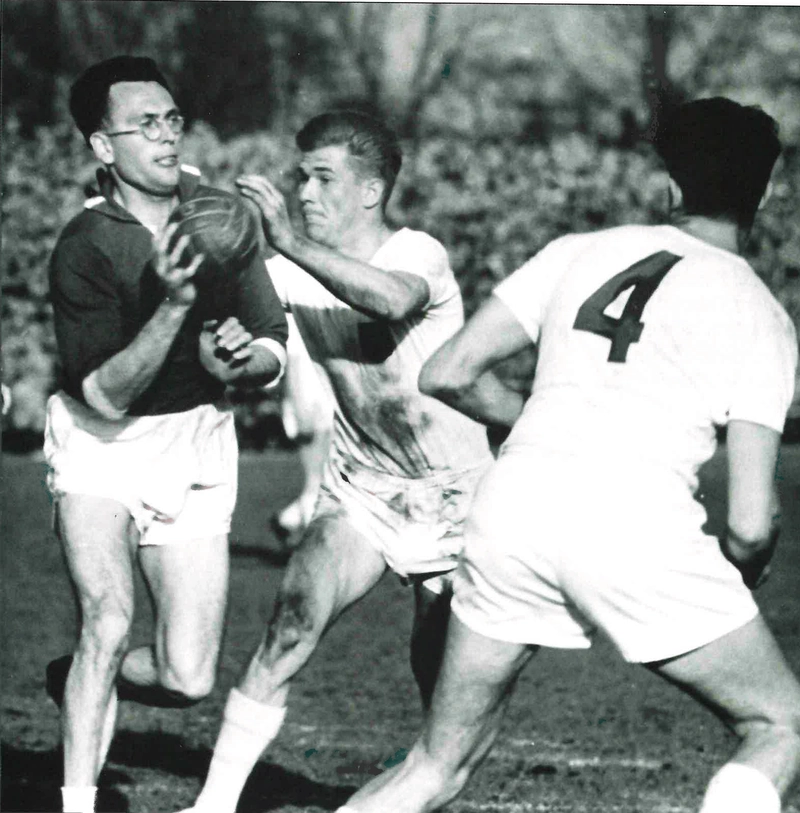
The club’s handball department entered the stage of the GDR league in 1958, initially without major success, but with an unstoppable determination. In these first years, the road was rocky, marked by intense competition with city rivals ESV Lok Südost Magdeburg. But from these rivalries and challenges grew the essence of SCM – a team that was steeled by resistance and cohesion.
The years leading up to 1960 were a time of testing and growth for SCM. While the handball department struggled to find its place in the league, the spirit of recovery and determination was palpable in the air. The founding fathers of the association and those who joined its call were pioneers of a dream that was bigger than themselves.
In the heart of the handball world, in the shadow of the historic backdrop of Magdeburg, a legend was born in 1955 – the SC Aufbau Magdeburg. But this club was more than just a sports club; it was a symbol of hope and reconstruction in a time of upheaval.
The founding of the SCM took place in an era of new beginnings and restructuring. In the midst of the GDR system, which used sports clubs to promote competitive sports, the SCM was a shining example of a community’s will and determination to rise through sport.

Die Feldhandballer aus der DDR um Mannschaftskapitän Hans-Jürgen Wende gewannen 1959 zum ersten Mal im Handball die Weltmeisterschaft.
The Hermann-Gieseler-Halle in Magdeburg, built in 1921 and rebuilt in 1955, is a sacred place for handball fans. Since the 1960s, it has been the scene of epic battles of SC Magdeburg, which exercised dominance in handball. The hall experienced countless exciting games and the winning of championships.
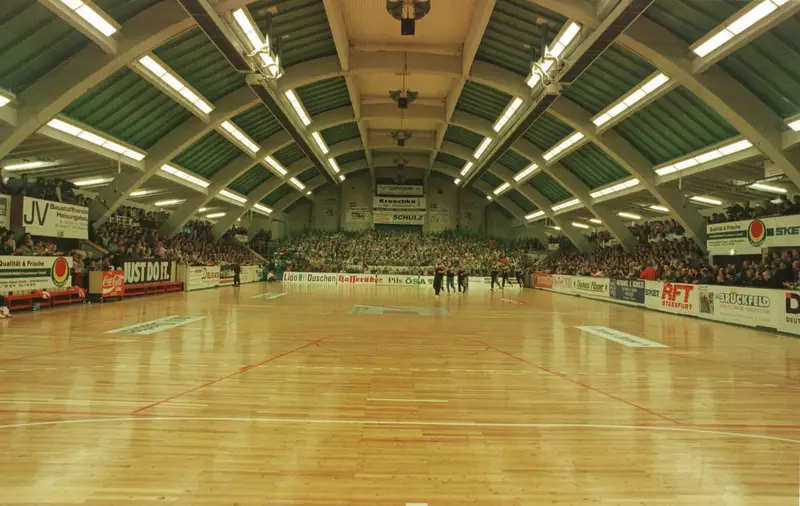
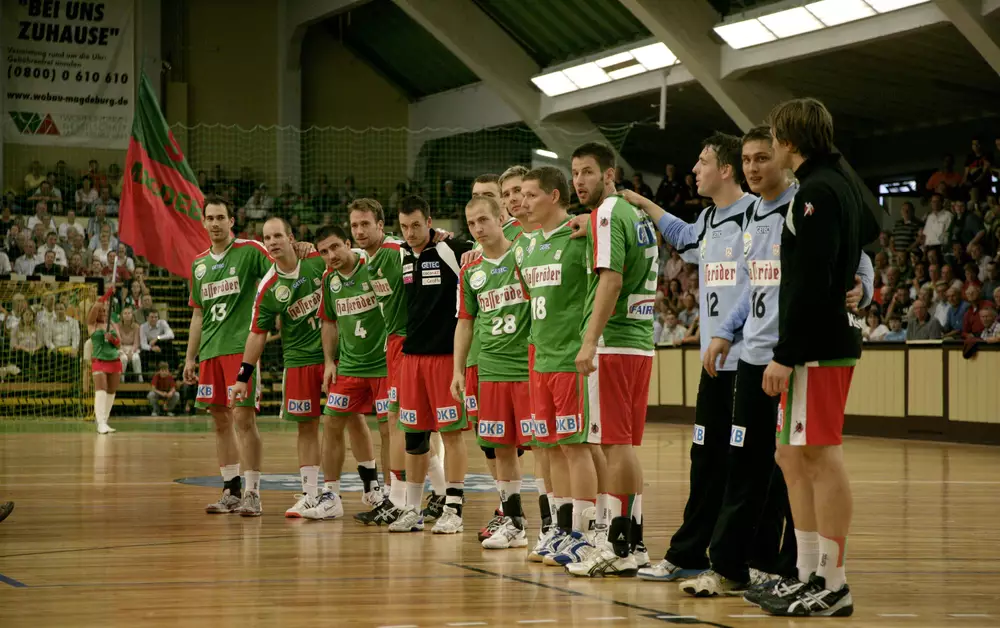
For the fans, the Hermann-Gieseler-Halle is more than just a venue, but a place of emotion and passion. The history of the Hermann-Gieseler-Halle reflects the development of handball in Magdeburg and remains a place of memories of past triumphs. Since the 1990s, it has been used as a venue for the YoungsterS and junior teams of the SCM.

In the 1960s, the handball players of SC Magdeburg experienced a phase of rise and establishment in German handball. Especially in the city itself, there was great competition for supremacy in Magdeburg handball with the ESV Lok Südost Magdeburg. The strong city rival, where coaching legend Klaus Miesner was once active as a player himself, managed to bring the first GDR championship title to the Elbe city in 1963. SC Magdeburg, on the other hand, became the last GDR champion in field handball in 1967, before Miesner led SCM to the first GDR championship in 1970. This time laid the foundation for the further development of SC Magdeburg into one of the leading handball clubs in Germany.
The last GDR championship title in field handball was awarded in 1967. The trophy was won by the handball players of SC Magdeburg:
Team doctor: Dr. Bubner
Coach: Bernhardt Kdanula
Jörg Schöneberg, Werner Wagener, Wolfgang Gensicke, Manfred Bormann, Rolf Schmitt, Kurt Hennig, Udo Röhrig
Supervisor: Heinz Hercke
Hans-Hartmut Baumgarten, Dieter Bernhardt, Fred Höltge, Dieter Deicke, Wolfgang Lakenmacher, Hartmut Schipp, Klaus Lünig
In the 1970s, SC Magdeburg continued its success story in handball and established itself as one of the leading teams in the GDR and beyond. Under the leadership of coaching legend Klaus Miesner, the club experienced an era of triumphs and titles. Players such as Gunar Schimrock, Günter Dreibrodt, Ernst Gerlach, Hartmut Krüger, Wieland Schmidt and Ingolf Wiegert were instrumental in SCM becoming a dominant force in national and international handball. These outstanding personalities shaped the team’s game with their extraordinary skill and determination.
In this decade, SC Magdeburg won numerous championships of the GDR as well as international successes, including winning the European Cup of Champion Champions, in 1978. The 1970s thus marked a glamorous era in the history of the handball players of SC Magdeburg.
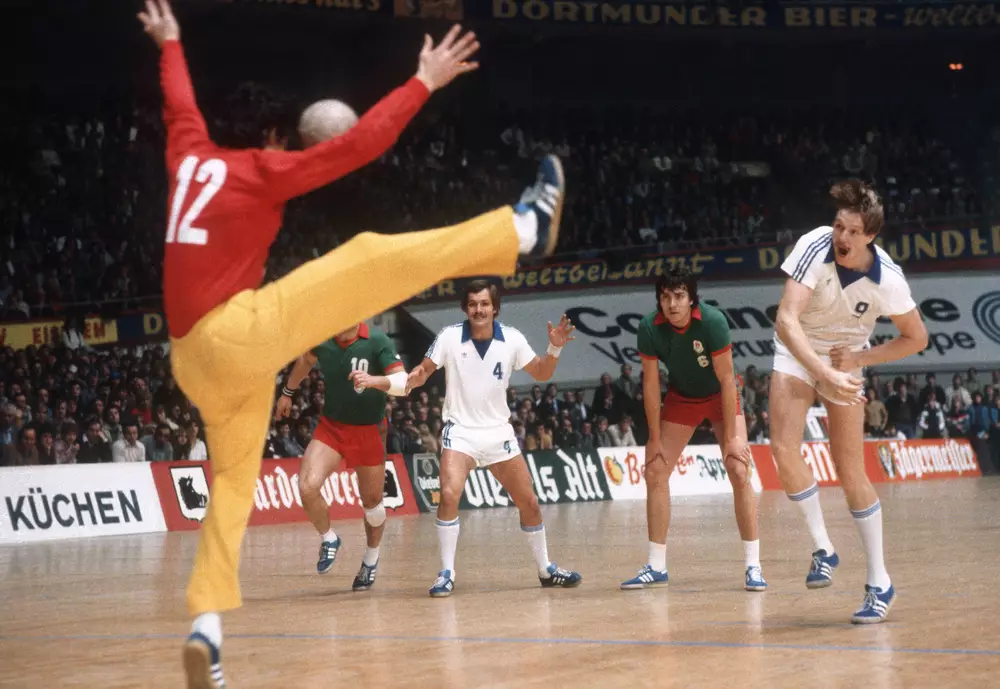
In dieser Dekade errang der SC Magdeburg zahlreiche Meisterschaften der DDR sowie internationale Erfolge, darunter den Gewinn des Europapokals der Landesmeister im Jahr 1978. Die 1970er Jahre markierten somit eine glanzvolle Ära in der Geschichte der Handballer des SC Magdeburg.
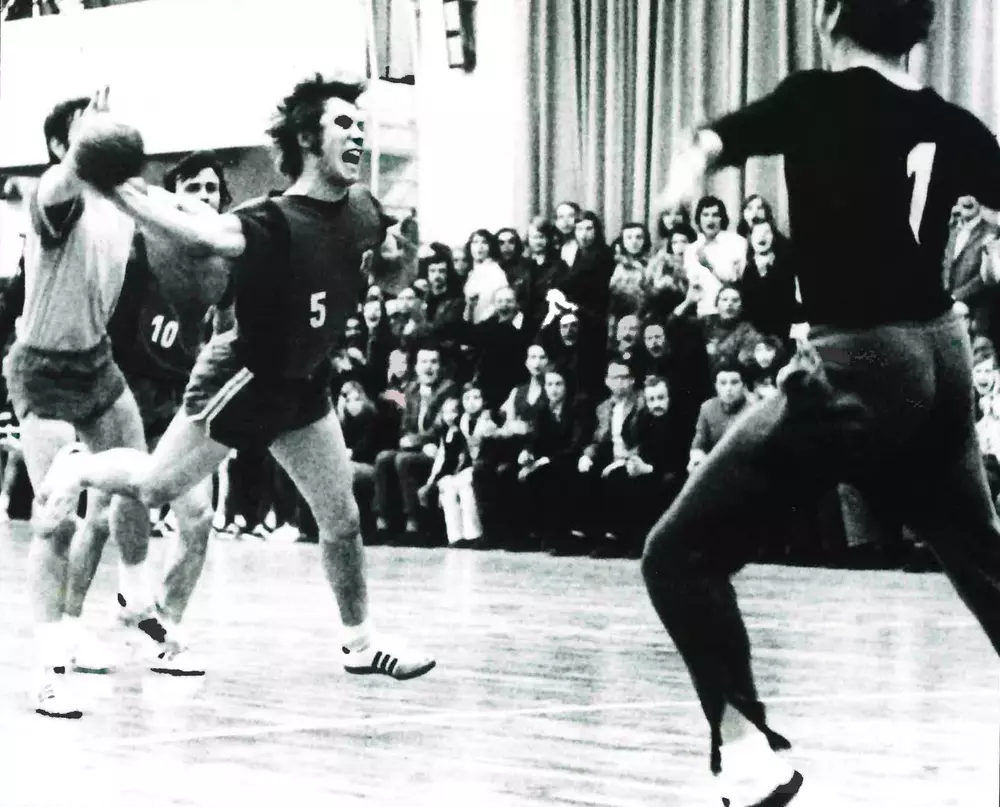
Hartmut Krüger kam 1973 mit 20 Lenzen in die erste Mannschaft des SC Magdeburg und war einer der erfolgreichsten Spieler in der Vereinsgeschichte.
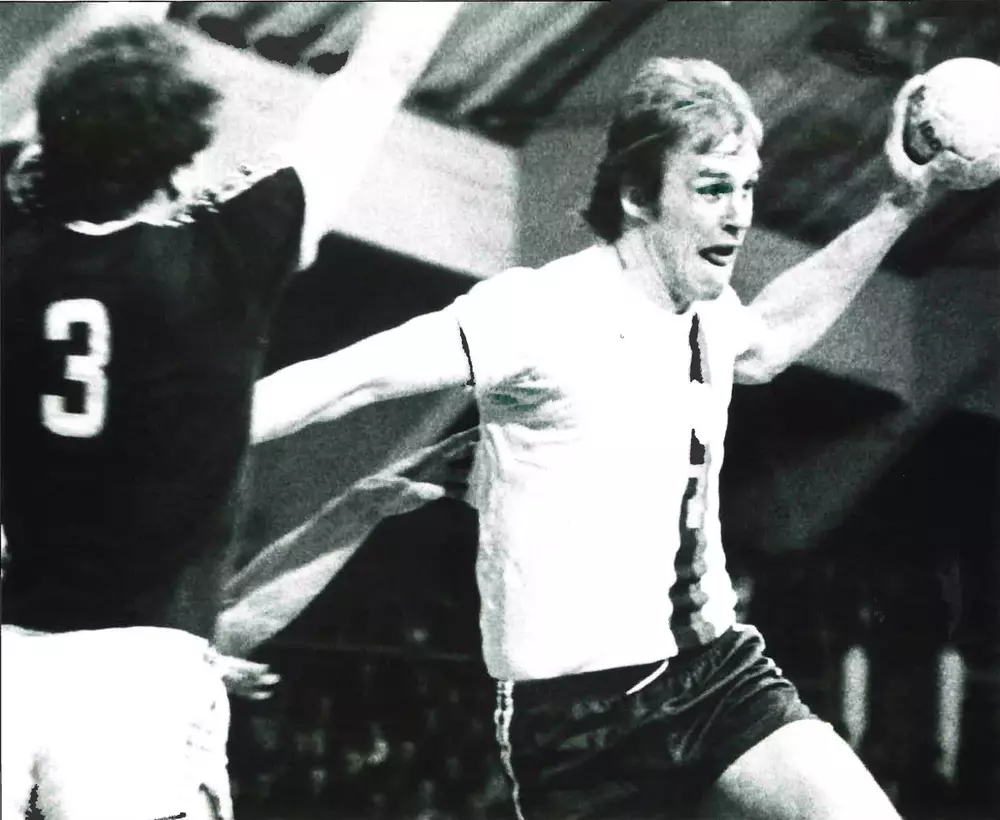
Linkshänder par excellence: Günter Dreibrodt
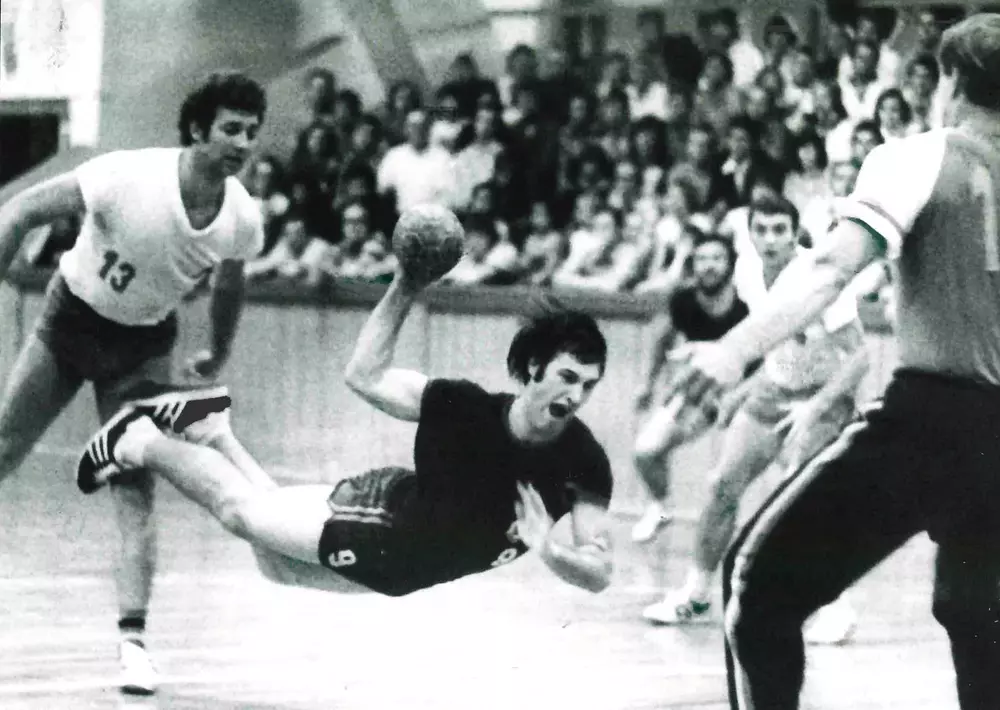
Mitte der 70er Jahre klopfte Ingolf Wiegert an die Tür zum Oberhaus und entwickelte sich bei Trainer Klaus Miesner zu einem der weltbesten Kreisspieler.
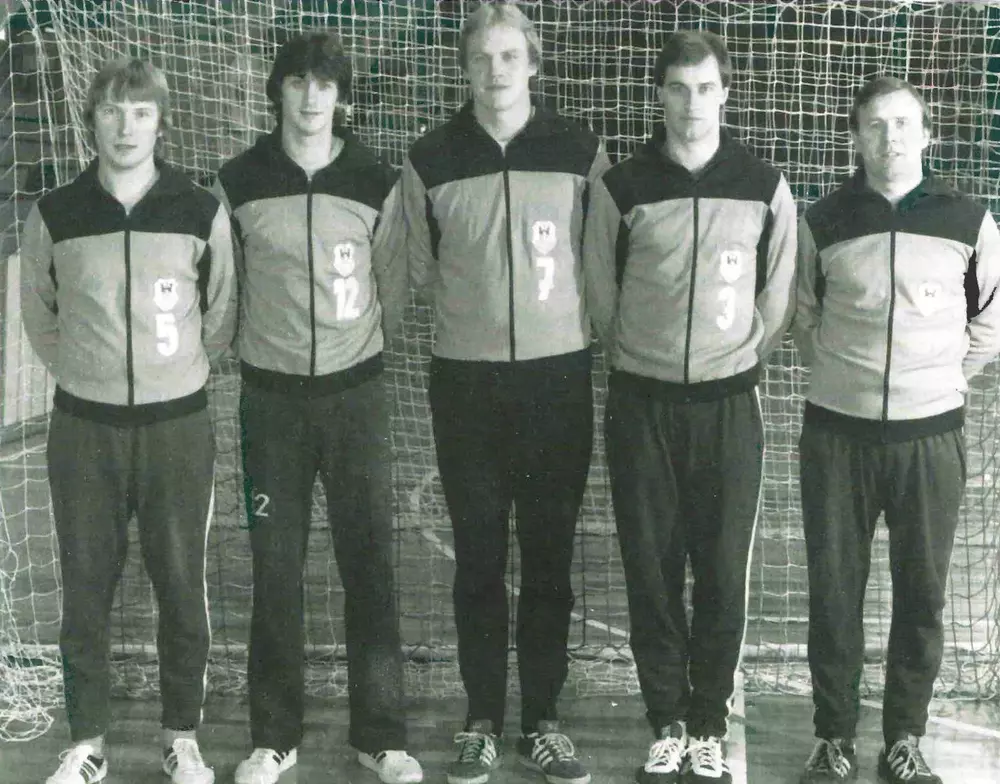
Olympiasieger des SC Magdeburg 1980.:
In the 1980s, the handball players of SC Magdeburg experienced an era of unsurpassed dominance in national and international handball. Under the leadership of coaching legend Klaus Miesner, the club shaped an unprecedented success story. In this decade, the team won six consecutive GDR championships from 1980 to 1985 and thus set a new standard in German handball.
The outstanding national successes also included winning the GDR Cup and the European Cup against Slovan Ljubljana in 1981. In Klaus Miesner’s 21-year tenure, the Magdeburgers won a total of nine championship titles and remained unbeaten in 107 consecutive home games (104 wins and 3 draws) in the Hermann-Gieseler-Halle between November 1974 and May 1986.
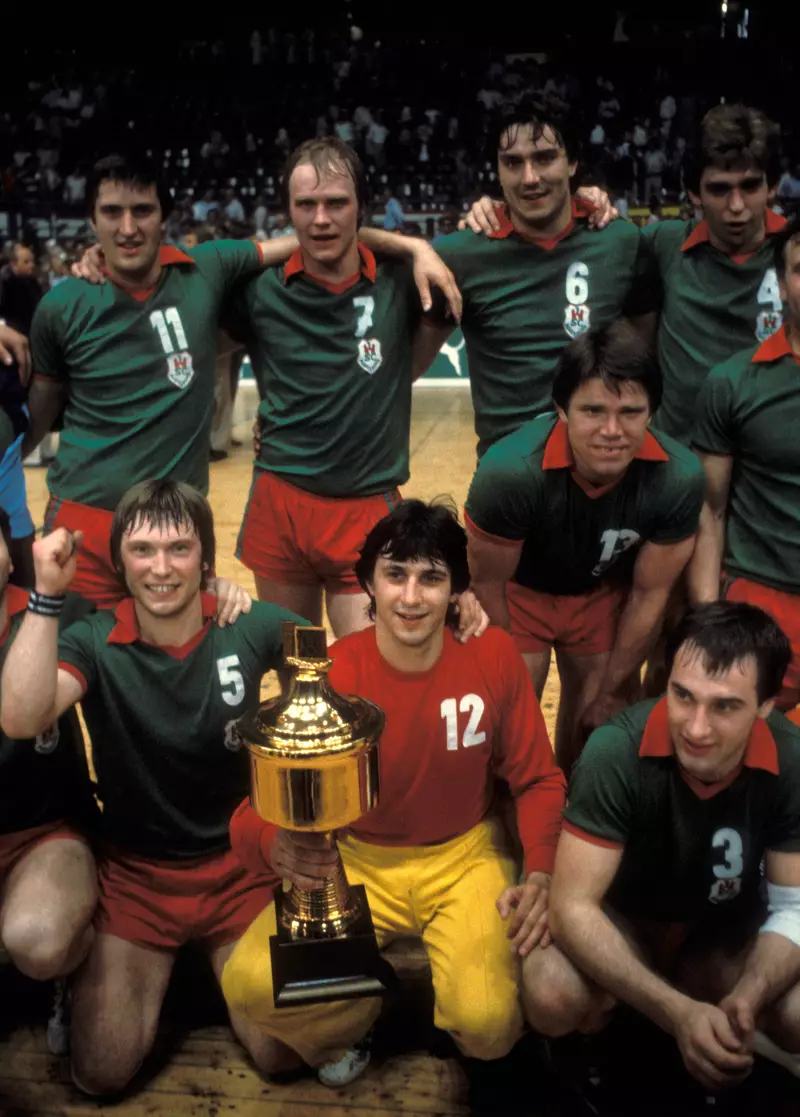
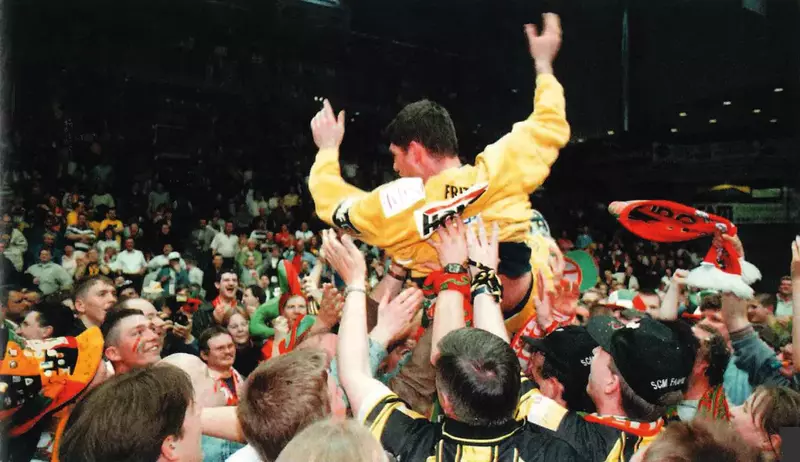
In the years after the fall of the Berlin Wall, the club established itself in the Handball Bundesliga and quickly showed its ambitions at national and international level. Already in the premiere season after reunification, SC Magdeburg was able to achieve a respectable third place and continuously assert itself in the middle of the table in the following years. Under the leadership of coach Lothar Doering, they even managed to win the DHB Cup in 1996. In the final, SC Magdeburg prevailed against TUSEM Essen and thus secured the first national title since the reunification of Germany. This victory marked a historic moment for the club and spurred ambitions for further success.
Another milestone followed in 1999, when SCM won the EHF Cup and thus also shone on the international stage. This success underlined the quality and competitiveness of the team.
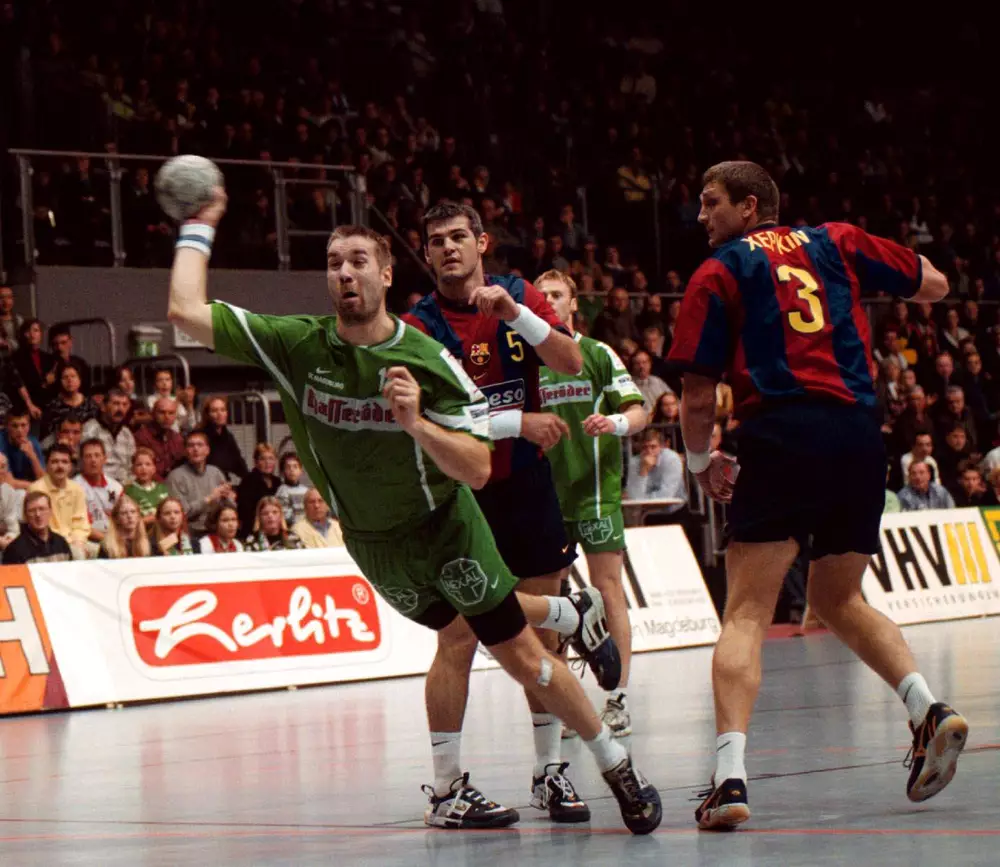
Steffen Stiebler (SCM) hat sich am Kreis durchgesetzt; SC Magdeburg – FC Barcelona (Spanien) 25:26, Europameisterschaft der Vereinsmannschaften 1999
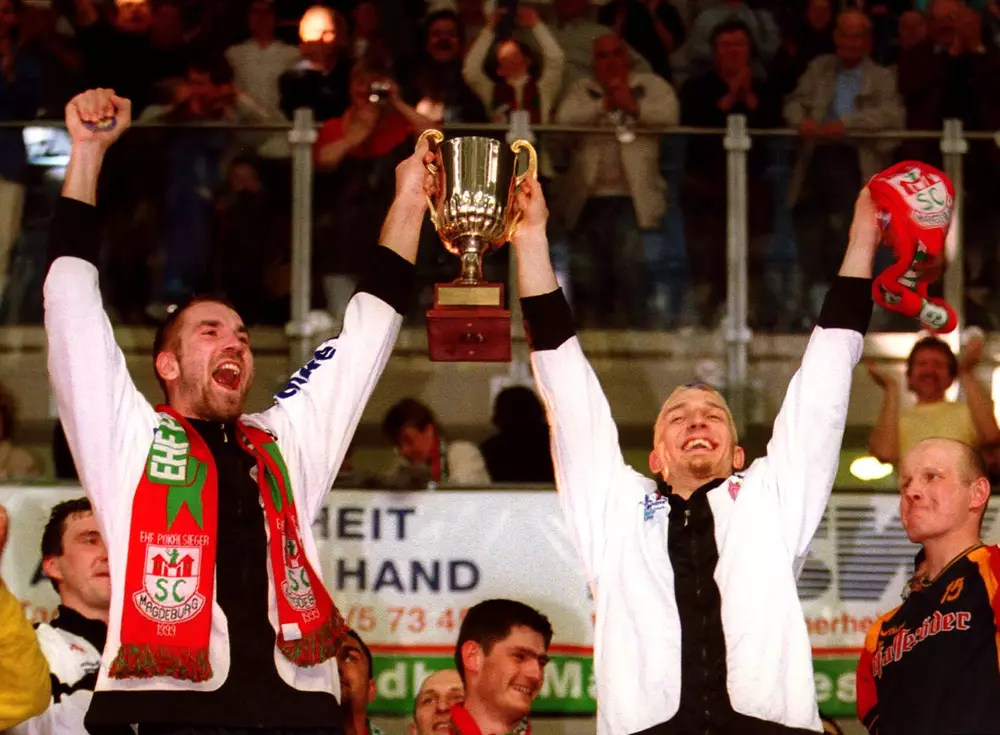
Steffen Stiebler (li.) und Stefan Kretzschmar (beide SCM) jubelnd mit dem Pokal, Magdeburg nach 18 Jahren wieder Europapokalsieger; Pott, Trophäe, Jubel, Jubelszene, EHF-Pokal-Finale 1999, Cup
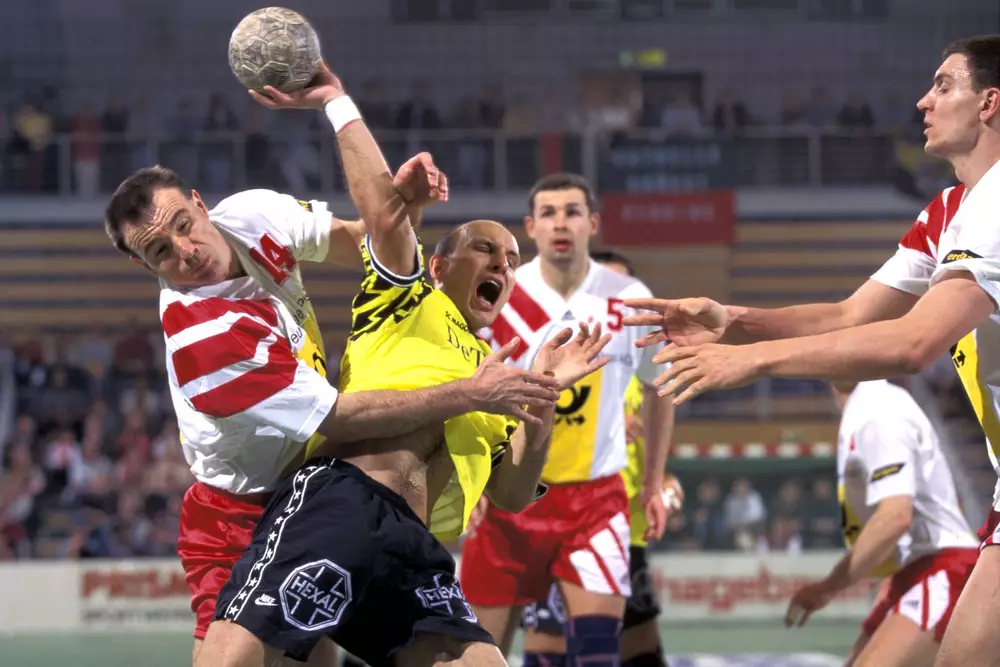
Mitte, SCM gegen Jochen Fraatz (li., Essen)
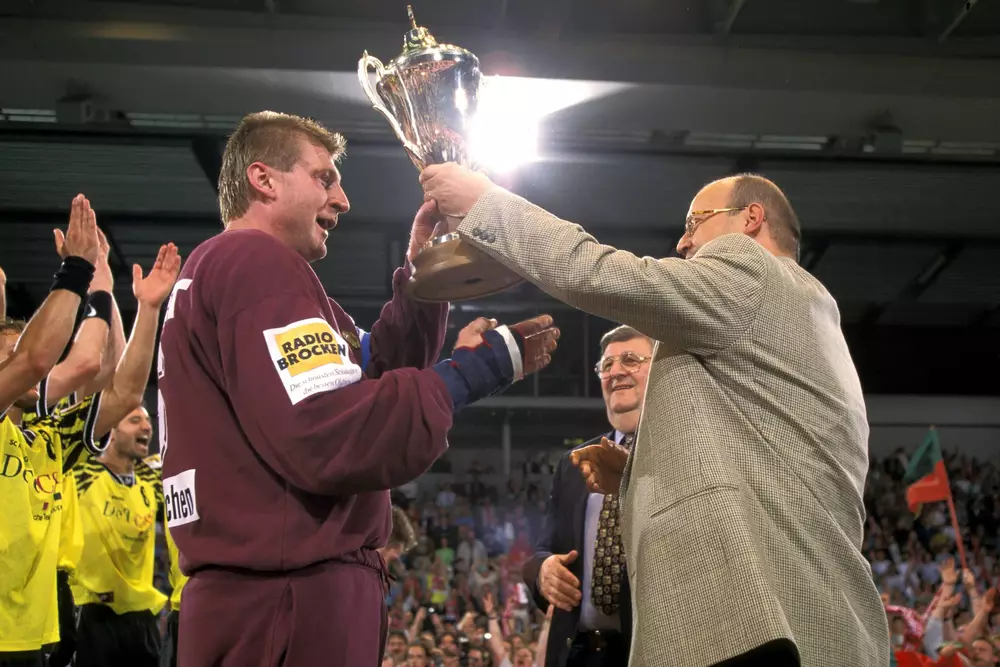
Torwart Gunnar Schimrock nimmt den Pokal von DHB-Präsident Bernd Steinhauser entgegen.
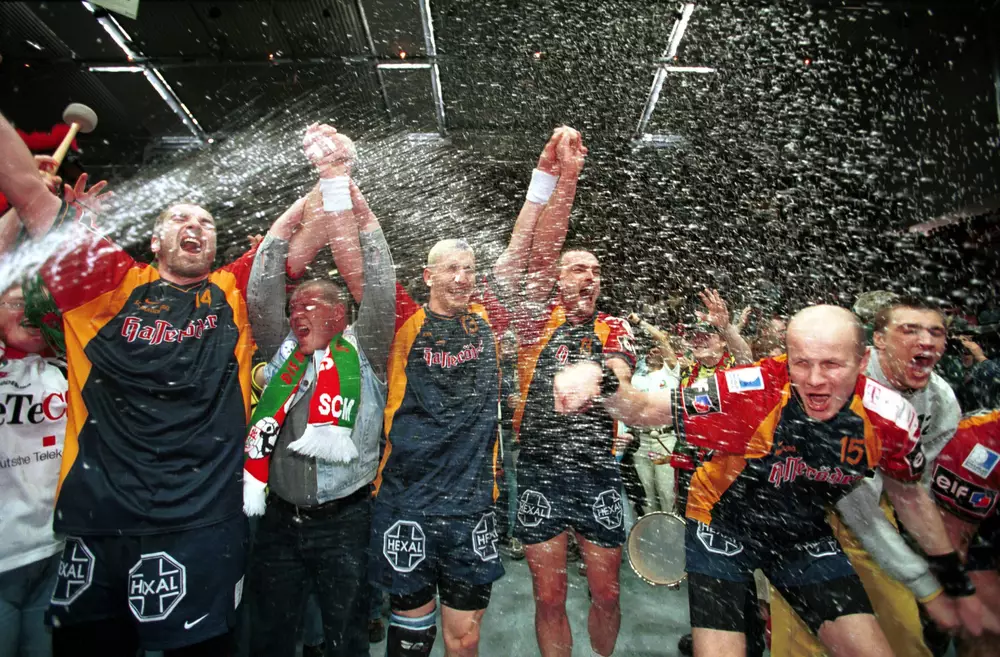
Sektdusche für die Sieger u.a. mit Steffen Stiebler (v.l.), Stefan Kretzschmar, Sven Liesegang und Tomasz Lebiedzinski
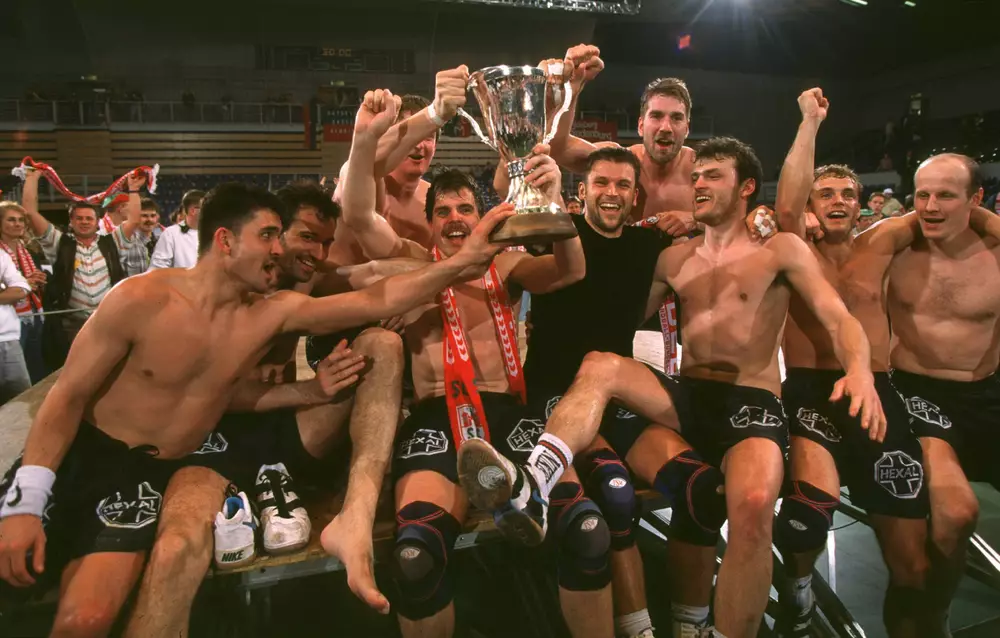
Siegesjubel SC Magdeburg – v.li. Erik Göthel, Robert-Ioan Licu, Jens Fiedler, Andreas Fink, Andreas Rastner, Heiner Benecke, Sven Liesegang, Uwe Seidel und Tomasz Lebiedzinski feiern.
Grenzenloser Jubel in der Bördelandhalle und in der Magdeburger Mannschaftskabine nach dem Sieg im EHF-Cup-Finale 1999
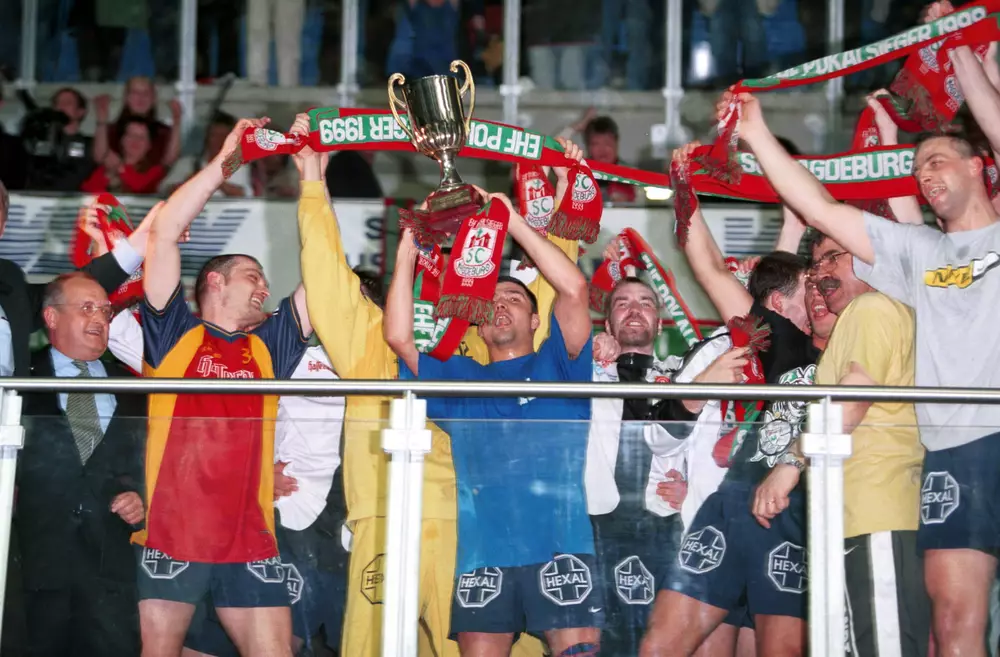
Erik Göthel (SCM) präsentiert stolz die Trophäe des Europacups
The GETEC Arena, formerly known as the Bördelandhalle, is the most important sports and event hall in Magdeburg. The construction (cost approx. 60 million euros) of the arena began on 14 October 1993 as part of a larger urban development project to modernise the city’s infrastructure. On October 2, 1997, it was ceremoniously opened as the Bördelandhalle and from the very beginning offered a modern and versatile venue for sporting events, concerts and other cultural events and offers space for up to 8,000 spectators.
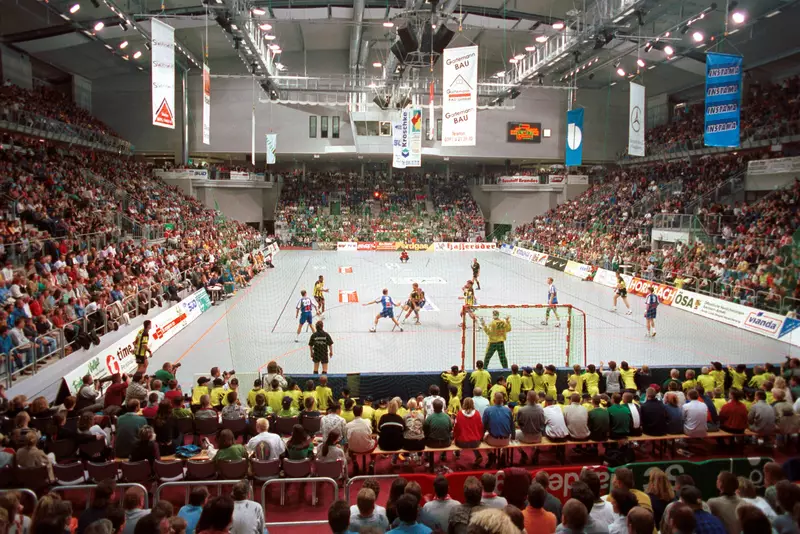
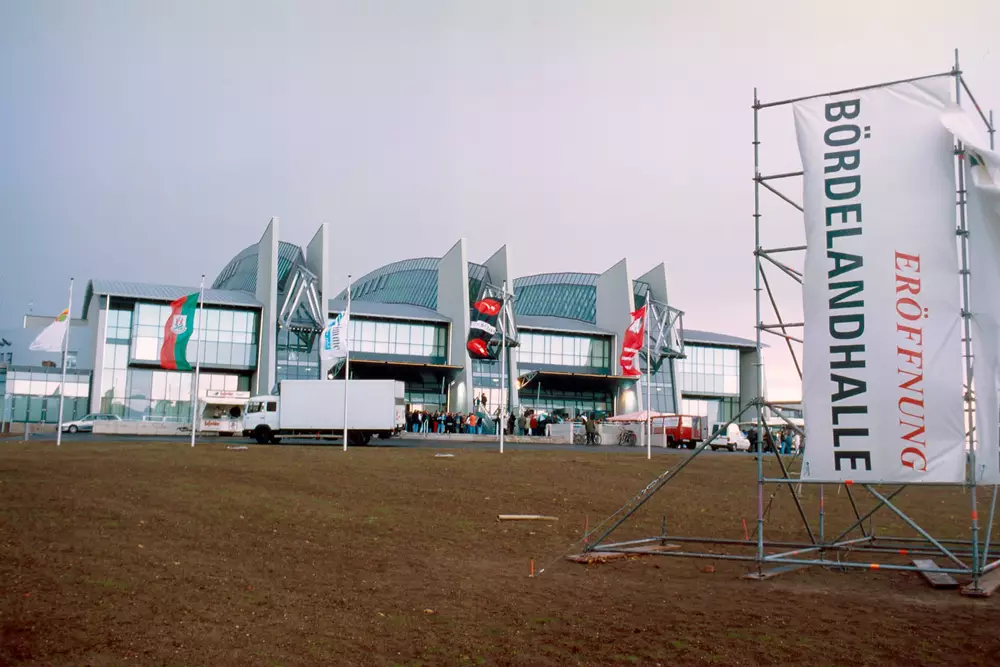
Over the years, the GETEC Arena has consolidated its role as the center of Magdeburg sports and developed into one of the most modern multifunctional arenas in Germany. In addition to the SCM home games, it has also been the venue for the German Open in table tennis, the 2007 Men’s Handball World Championship and the 2017 Women’s Handball Championship.
For SC Magdeburg, the Bördelandhalle quickly became its new home and a place of numerous historic triumphs. The hall offers a first-class backdrop that is second to none for SCM’s home games and has been the scene of many memorable moments in the club’s history.
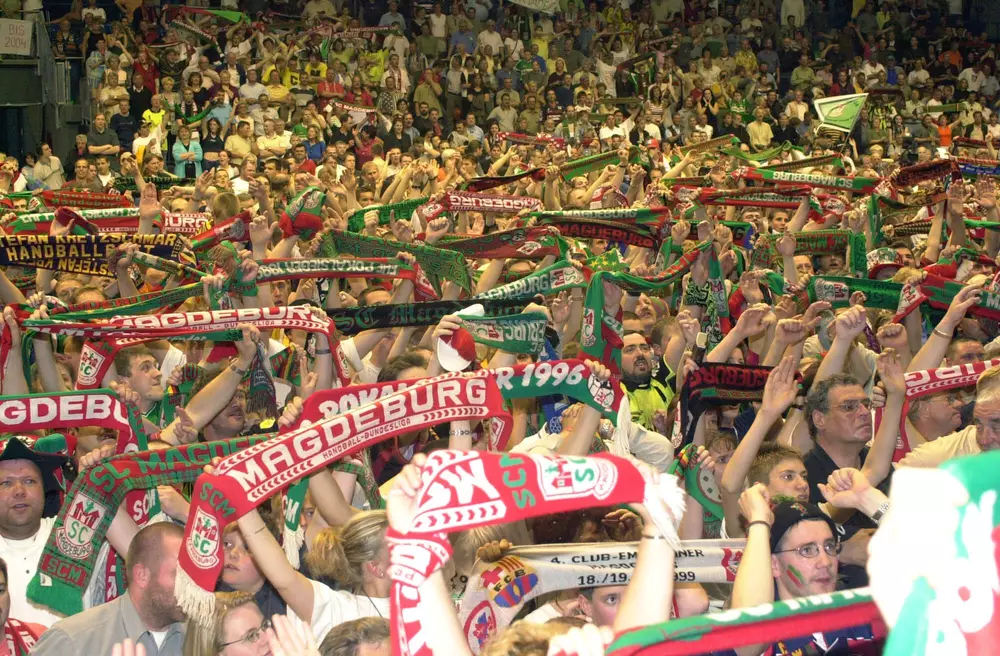
Die Grün-Rote Wand
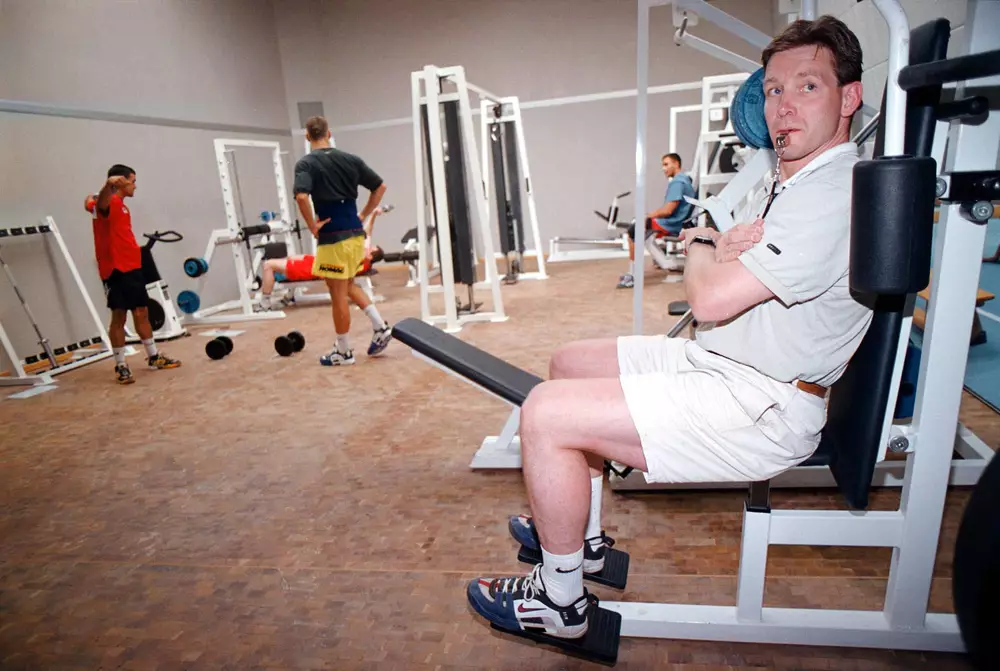
Krafttraining in der GETEC Arena
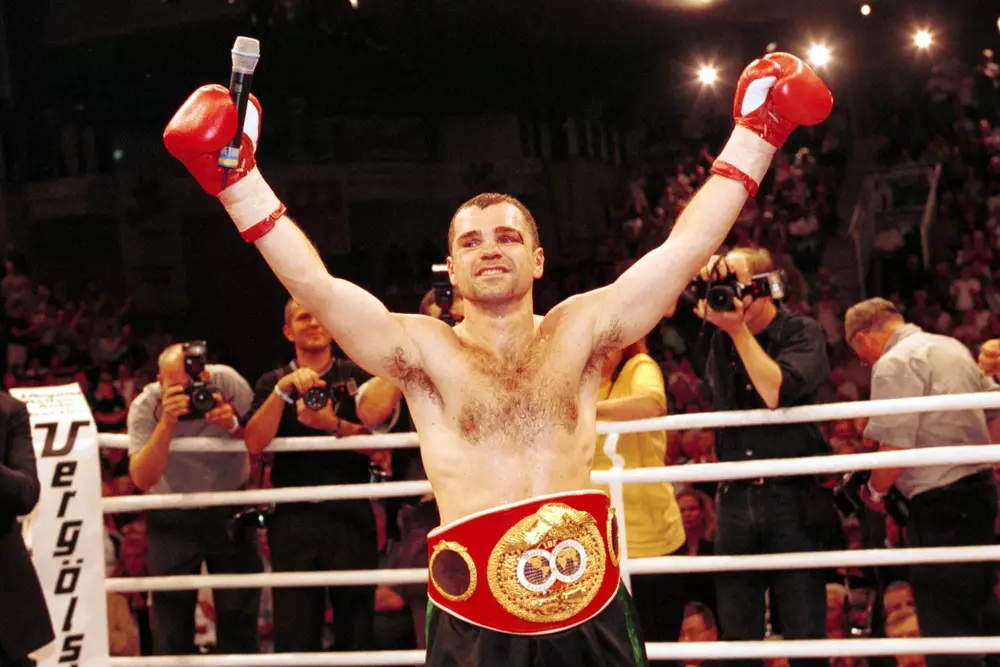
Sven Ottke verteidigt IBF Weltmeistertitel
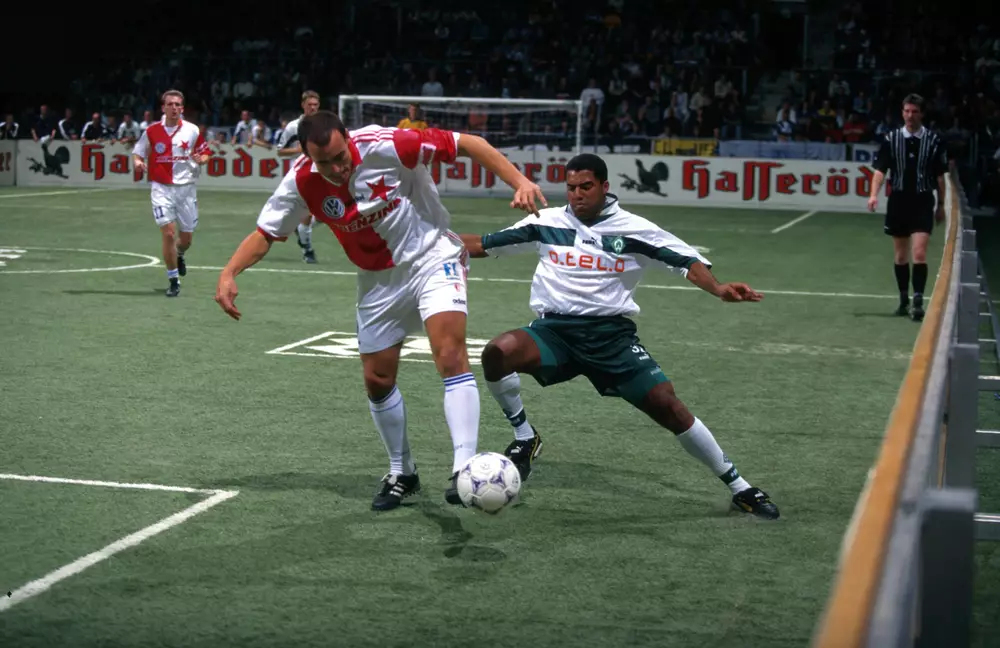
Budenzauber in der Bördelandhalle
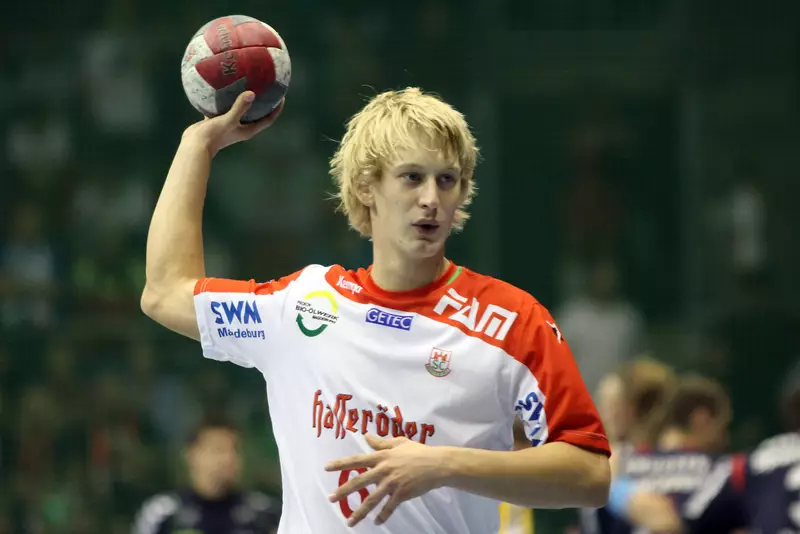
And these are just current examples of players who are still associated with the club in various positions and will always be so. In addition to them, German handball is peppered with players who once began their careers in the talent factory on the Elbe.
SC Magdeburg’s junior handball department has a long and impressive history of talent development. Over the years, it has produced numerous talented players who have been successful both nationally and internationally. Names such as Bennet Wiegert, Yves Grafenhorst, Christoph Theuerkauf, Matthias Musche, Philipp Weber, Steffen Stiebler, Tim Zechel and Gunar Schimrock are examples of the quality and potential that thrives in this youth department.
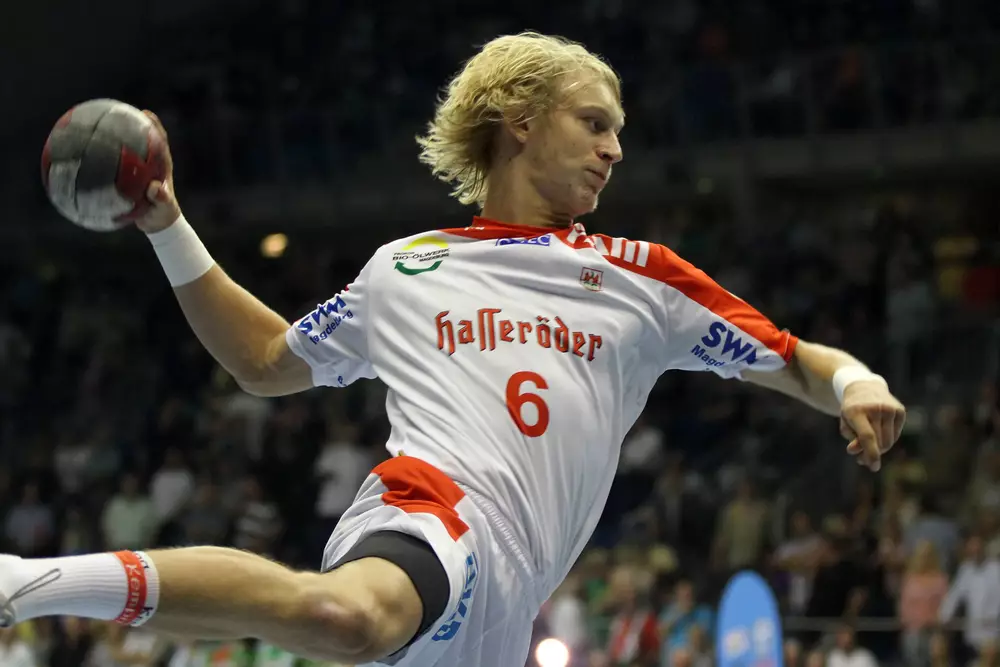
Mathias Musche
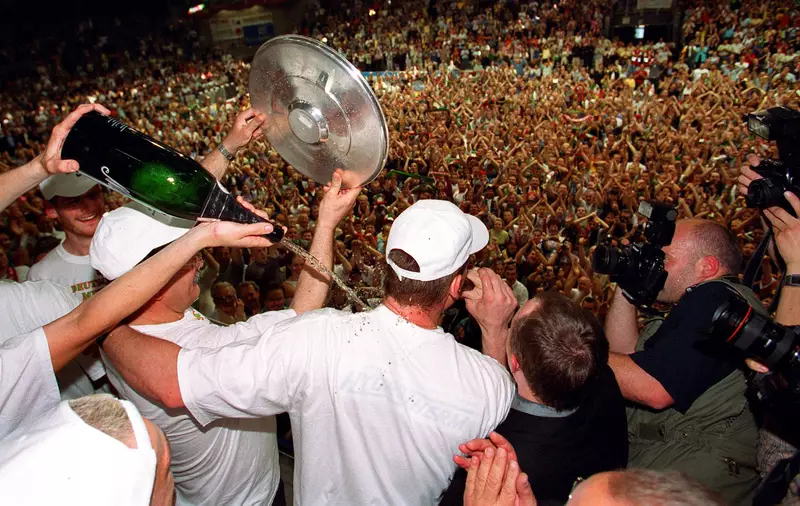
In the years from 2001 to 2006, the handball players of SC Magdeburg experienced an extremely successful phase, marked by national and international triumphs under the leadership of the renowned coach Alfred Gislason. In 2001, the team managed to win the German championship, consolidating the club’s dominant position in German handball. A year later, in 2002, SC Magdeburg reached the pinnacle of European handball under Gislason’s leadership by winning the Champions League. This historic victory crowned the outstanding performance of the team and made SC Magdeburg one of the most successful clubs at international level.
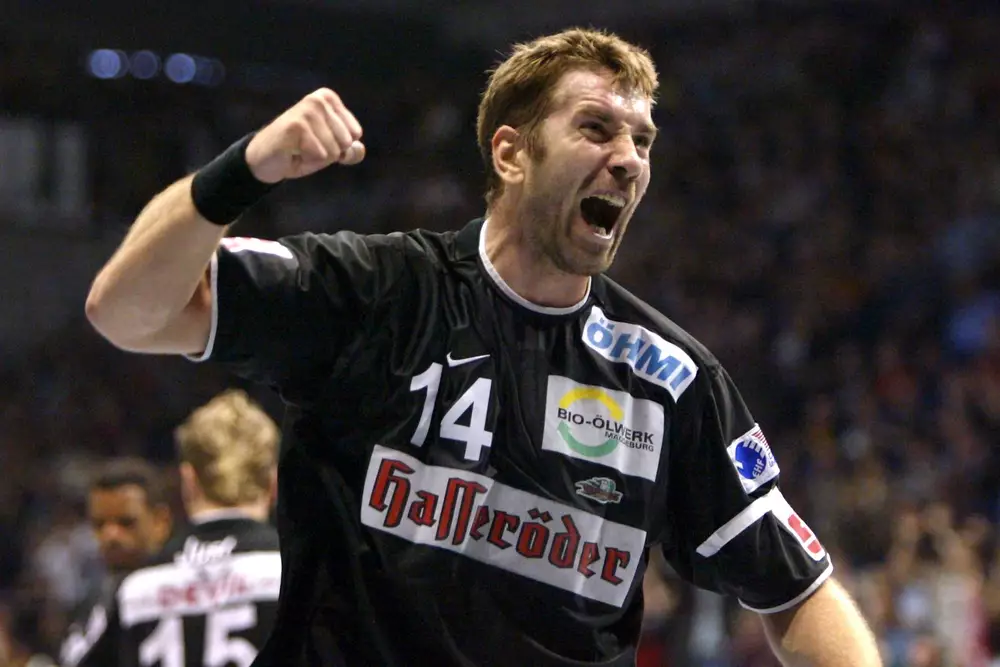
Steffen Stiebler Torjubel; Champions League Halbfinale 2003/2004
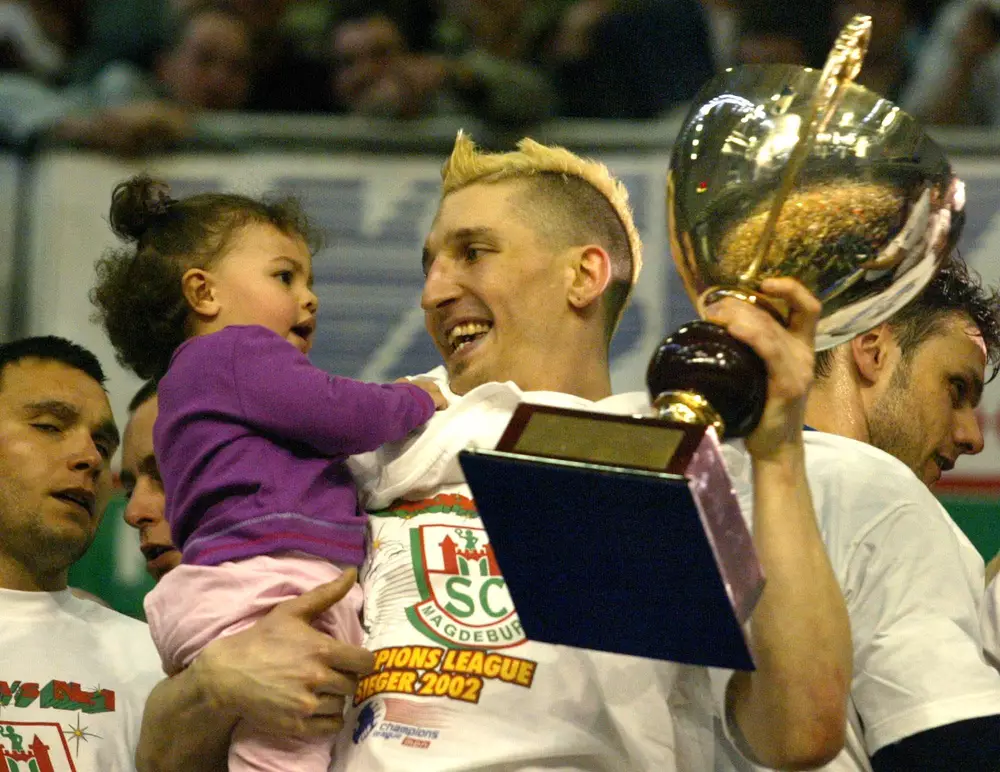
Seiner Tochter Lucie zeigt Handball-Nationalspieler Stefan Krezschmar den Pokal als Sieger der Handball Champions League während der Siegerehrung in Magdeburg am Samstag, 27. April 2002.

Stefan Kretzschmar, Steffen Stiebler und Olafur Stefansson, von links nach rechts, jubeln mit der Meisterschale nach der Ehrung als Deutscher Meister in Magdeburg am Sonntag, 20. Mai 2001.
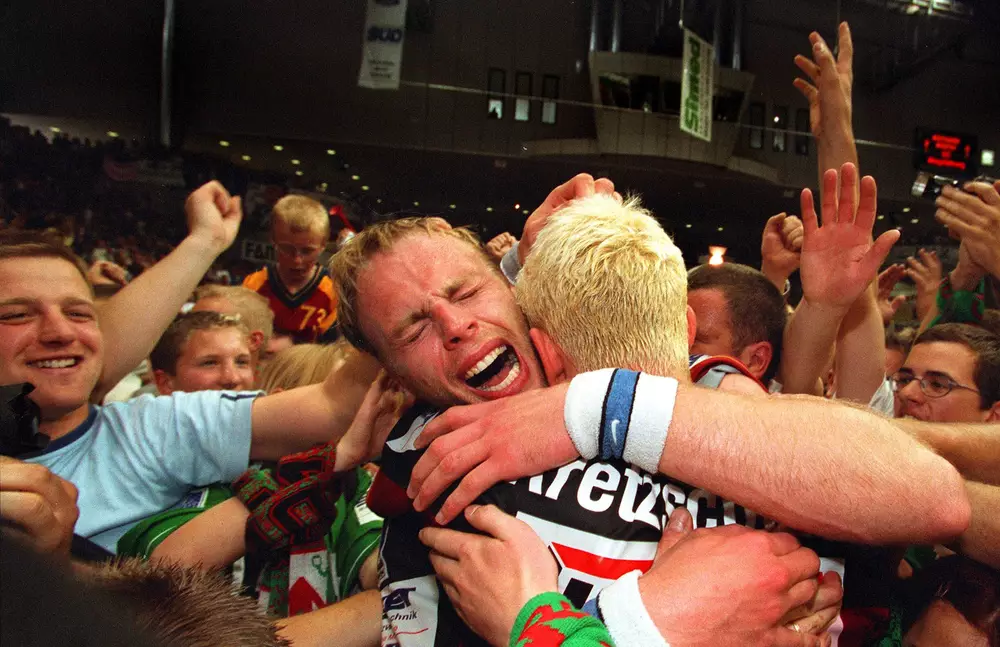
Olafur Stefansson jubelt mit Stefan Kretzschmar
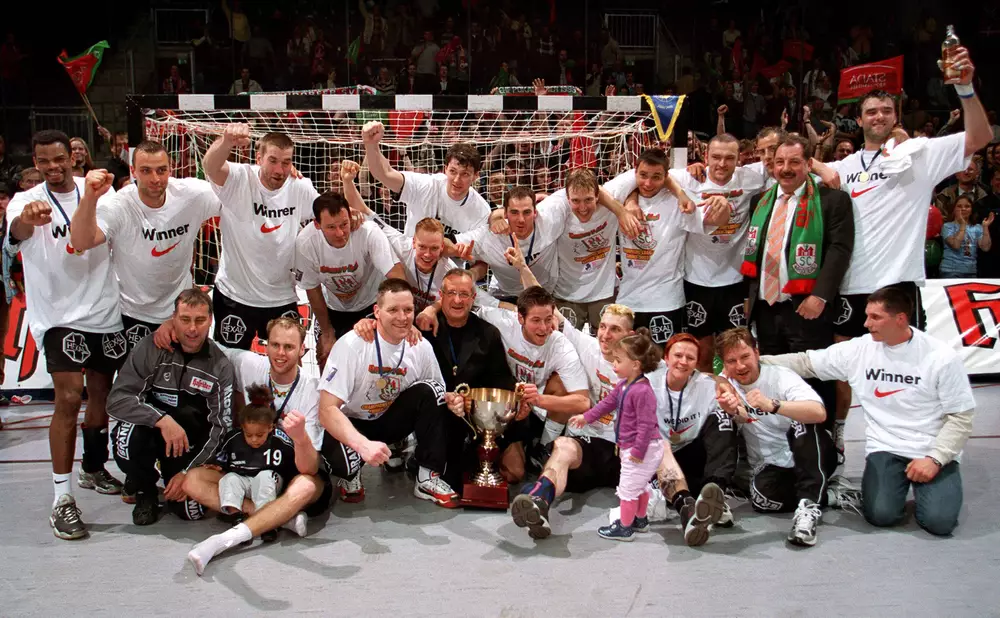
SC Magdeburg feiert den Sieg der Champions League 2001/2002 als erste deutsche Mannschaft der Geschichte
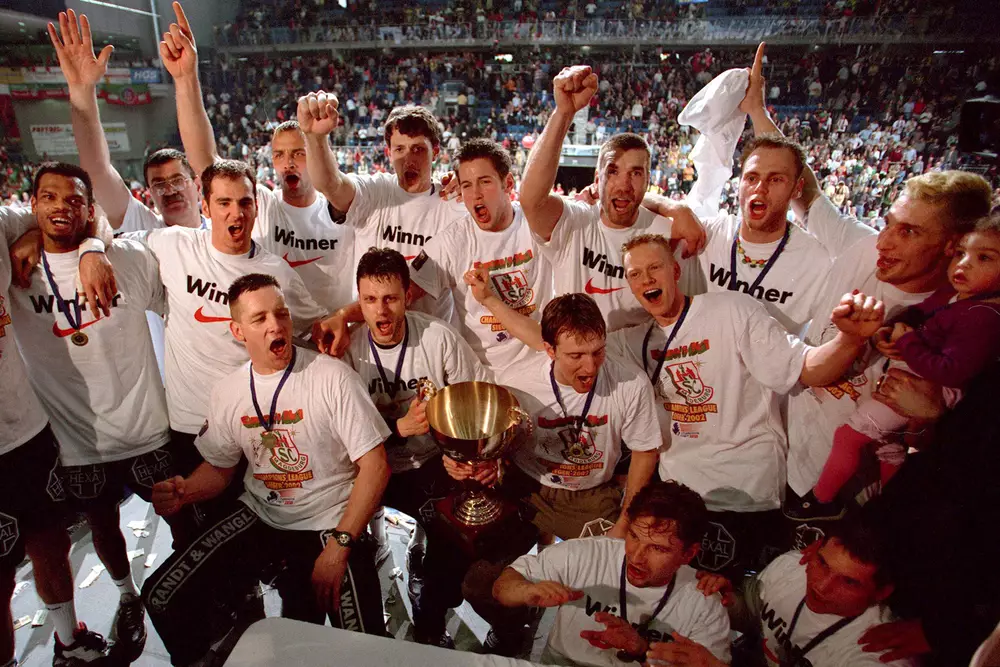
Der SC Magdeburg feiert den Sieg der Champions League 2001/2002

Olafur Stefansson und Trainer Alfred Gislason mit dem Champions-League-Pokal
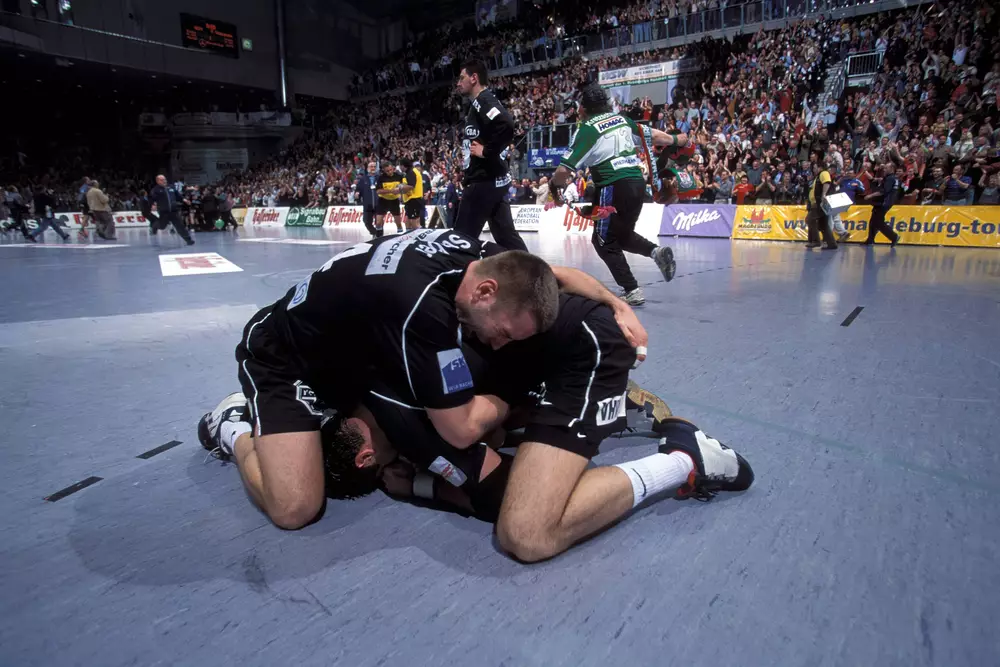
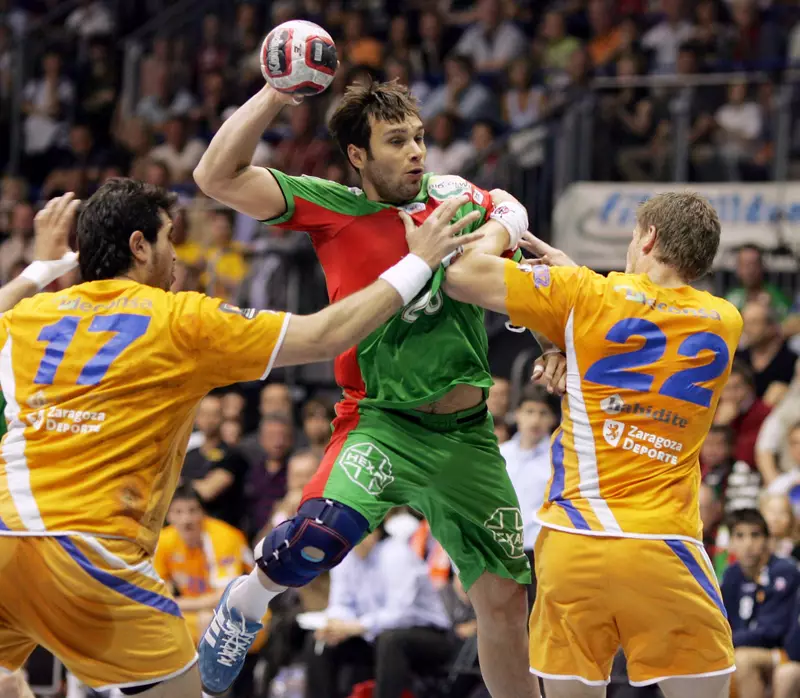
After the departure of Alfred Gislason, the years of upheaval followed at SCM – in the squad and in the club. In the Bundesliga, Magdeburg lost touch with the top group. There was also a lack of consistency on the coaching bench during this phase, because in the years after Gislason, eight different coaches followed the Icelander. Nevertheless, SC Magdeburg celebrated a tremendous international success in 2007. In the EHF Cup, the team under Polish coach Bogdan Wenta achieved a coup when they defeated the Spanish team of CAI BM Aragón 30-30 and 31-28.
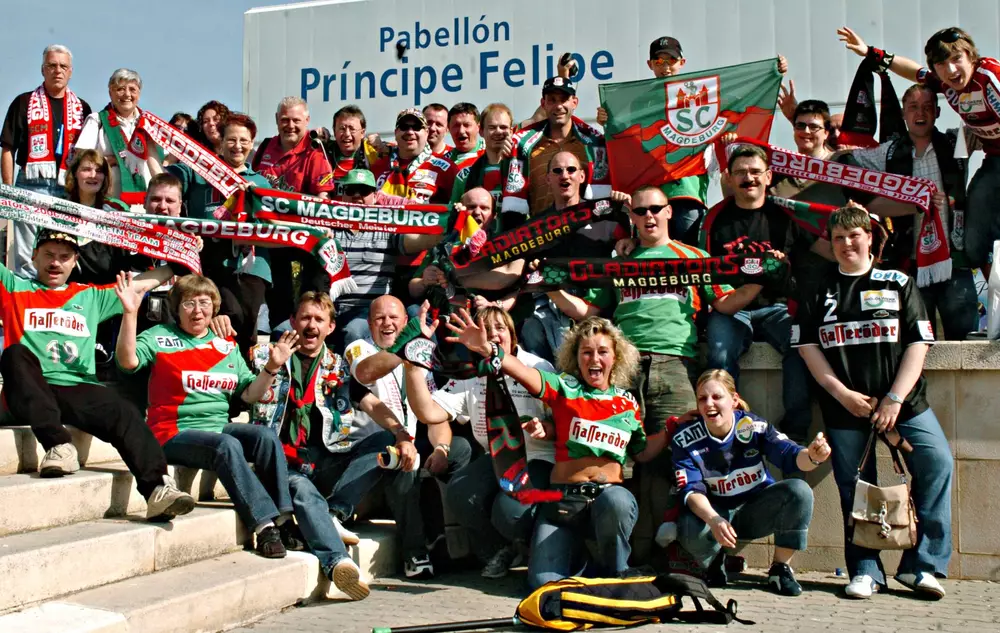
Magdeburger Fans folgen ihrem Verein auch ins ferne Saragossa zum Europapokalfinale
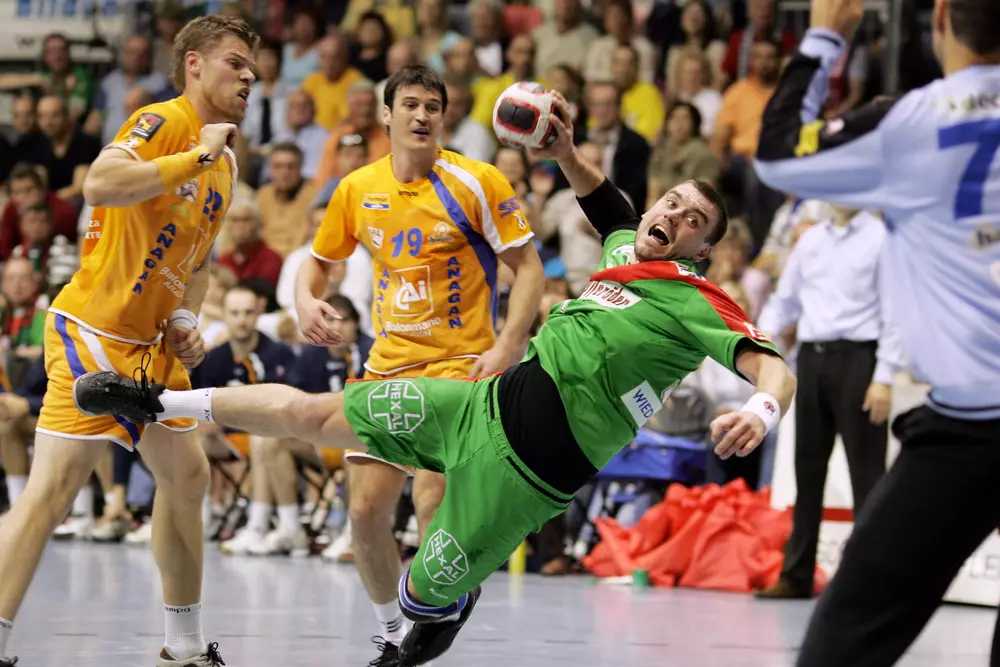
Bartosz Jurecki am Ball EHF Cup 2006/2007, Finale Endspiel

Silvio Heinevetter und Christoph Theuerkauf präsentieren nach dem Gewinn des EHF Cup 2006/2007 die Trophäe
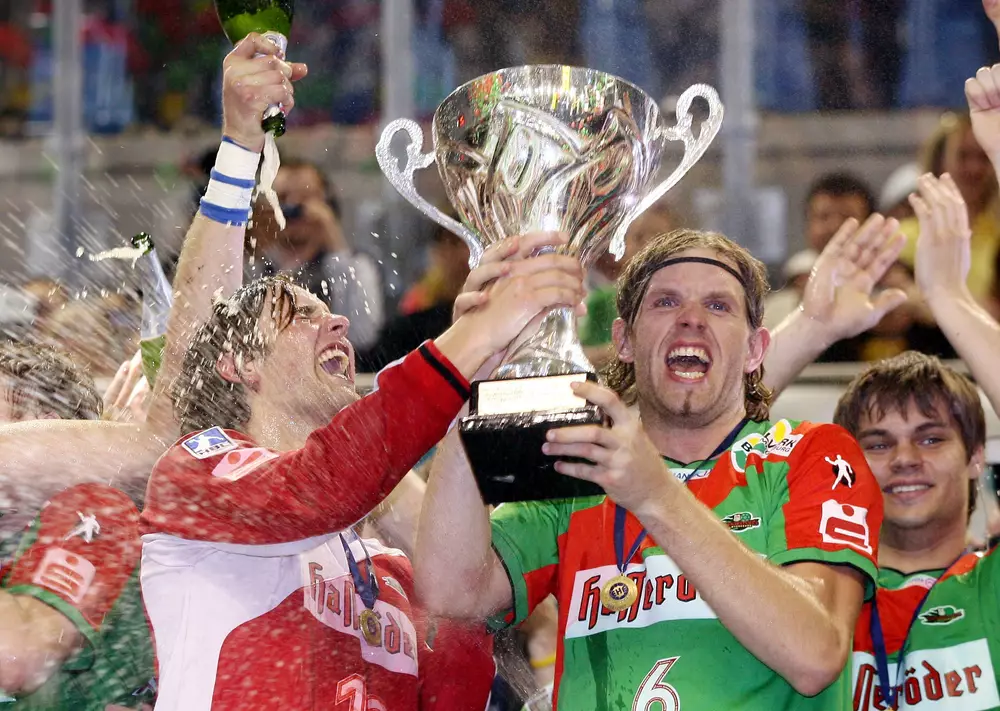
Silvio Heinevetter und Grzegorz Tkaczyk präsentieren den EHF Pokal
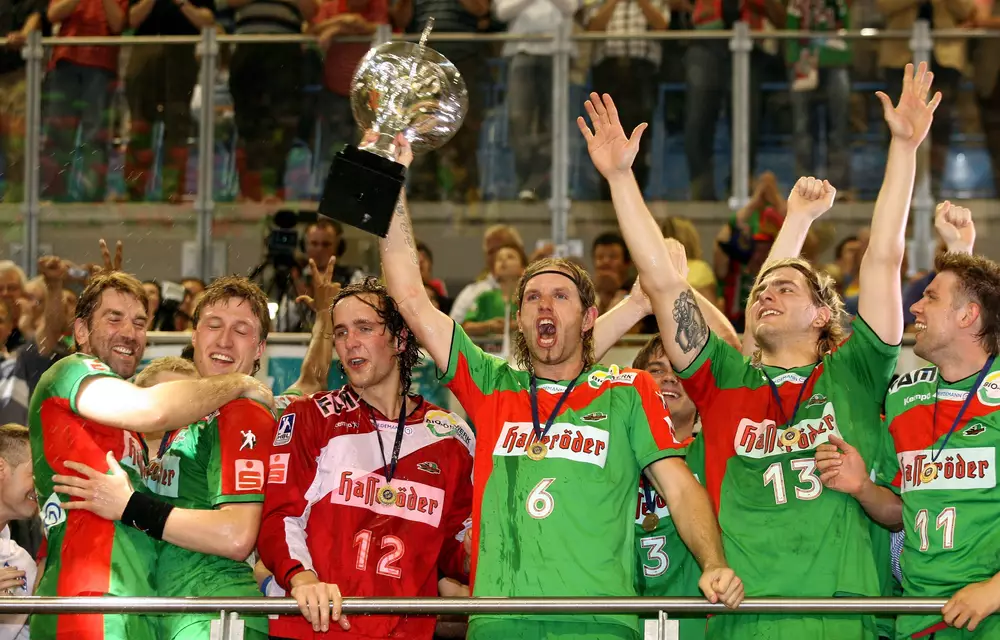
EHF Pokal Sieger 2007 Magdeburg, v.li.: Steffen Stiebler, Fabian van Olphen, Torwart Silvio Heinevetter, Grzegorz Tkaczyk, Christoph Theuerkauf und Christian Sprenger
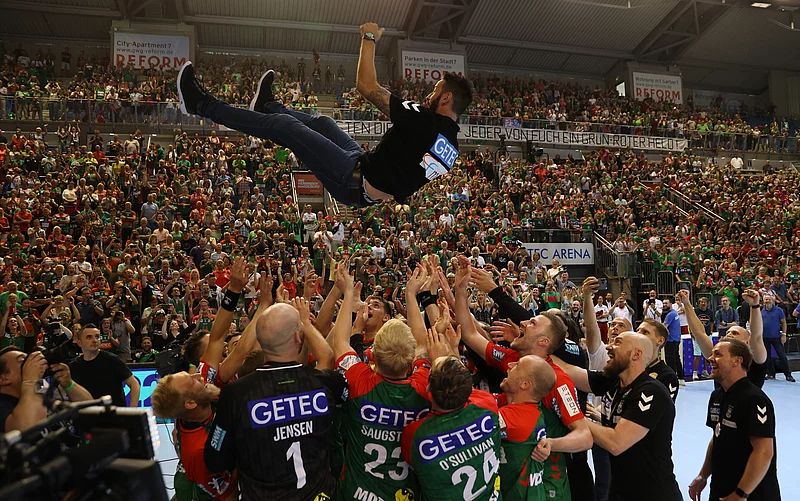
Since taking office in November 2015, coach Bennet Wiegert has shaped SC Magdeburg with his unconventional style of play, which is based on small and agile players. Under his leadership, the club has developed into a dominant force in German and international handball.
Wiegert’s vision, which is based on fast transition play and a strong defense, has taken SC Magdeburg to new heights. This successful era began with winning the DHB Cup in 2016, when SCM secured its first important title under Wiegert’s leadership. This triumph marked the beginning of a series of successes that made the club one of the most successful teams in European handball.
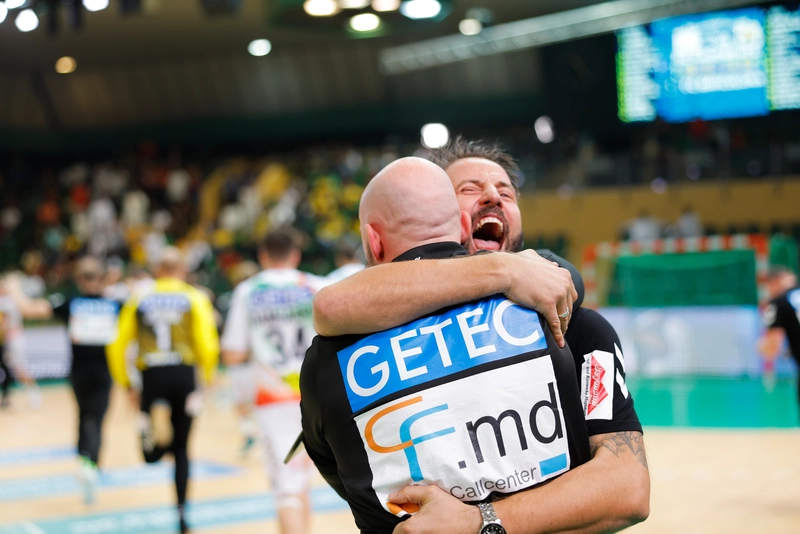
In 2021, SC Magdeburg reached a new peak of success under Wiegert’s direction by winning the EHF European League. Then followed the hat-trick in the IHF Super Globe in 2021, 2022 and 2023. These titles underline the strength and consistency of the team under Wiegert’s leadership and cemented his reputation as one of the outstanding coaches in handball.
New peaks were reached by winning the German championship in 2022 and the EHF Champions League in 2023.
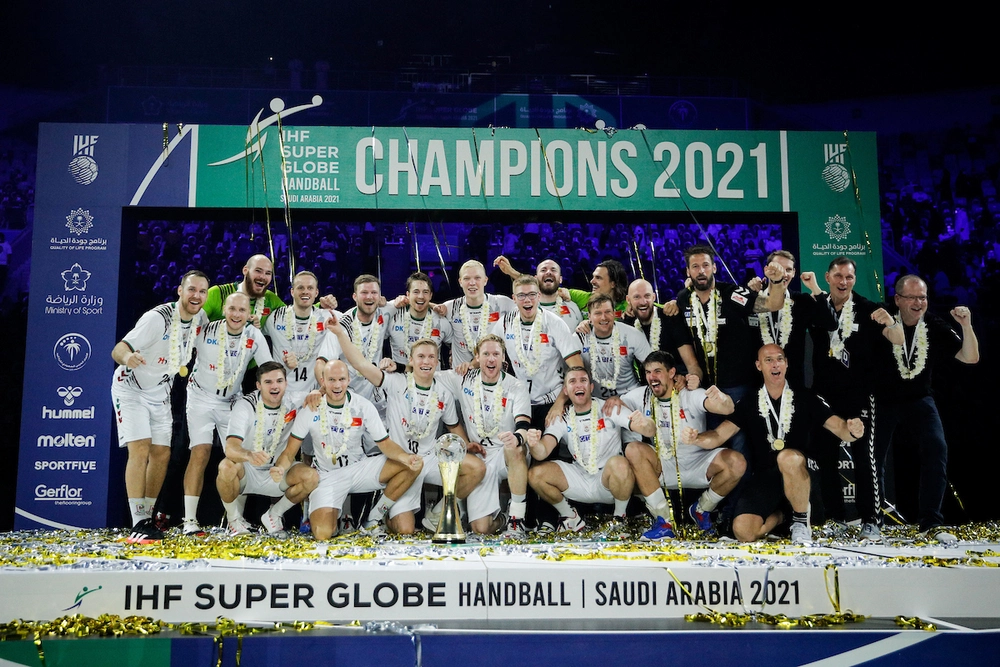
SC Magdeburg Sieger des IHF Super Globe 2021
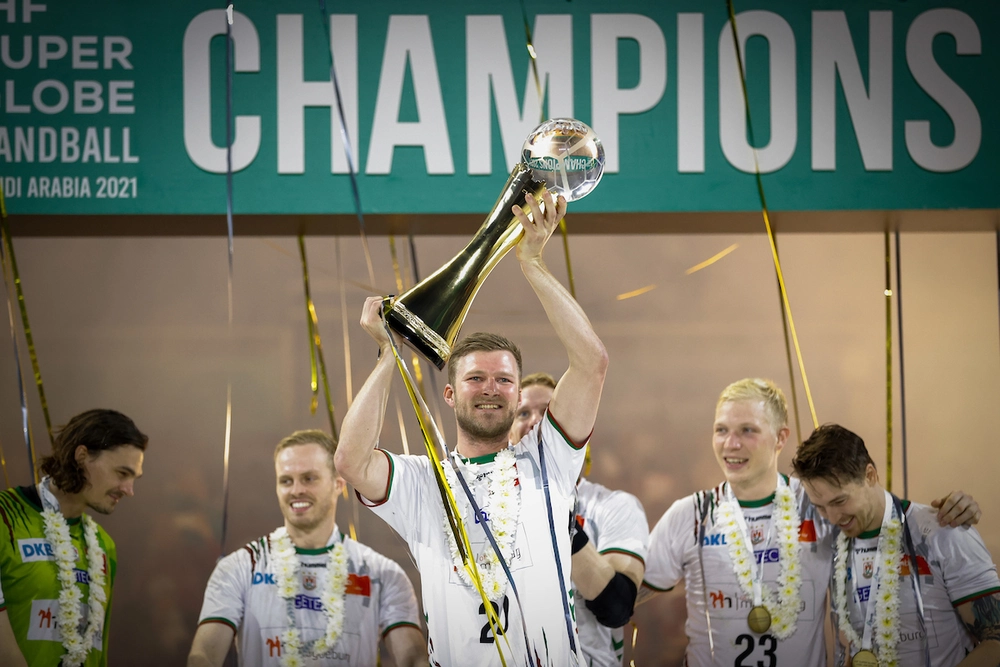
Philipp Weber hält den IHF Super Globe in die Höhe
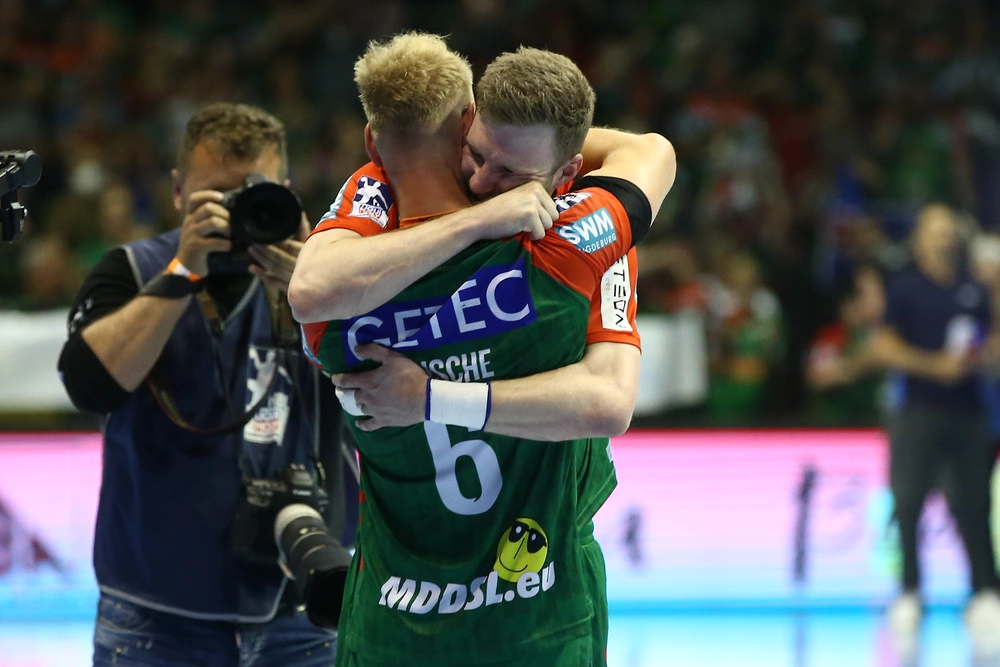
02.06.2022 Philipp Weber und Matthias Musche Jubel zur deutschen Meisterschaft
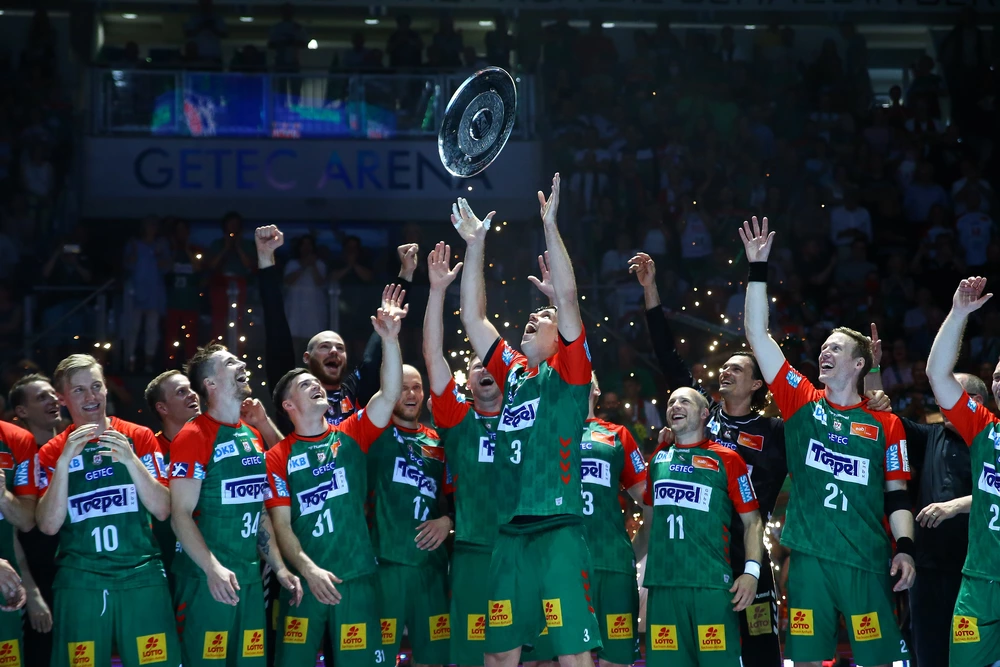
12.06.2022 SC Magdeburg feiert die Meisterschaft. Piotr Chrapkowski hält die Meisterschale hoch.
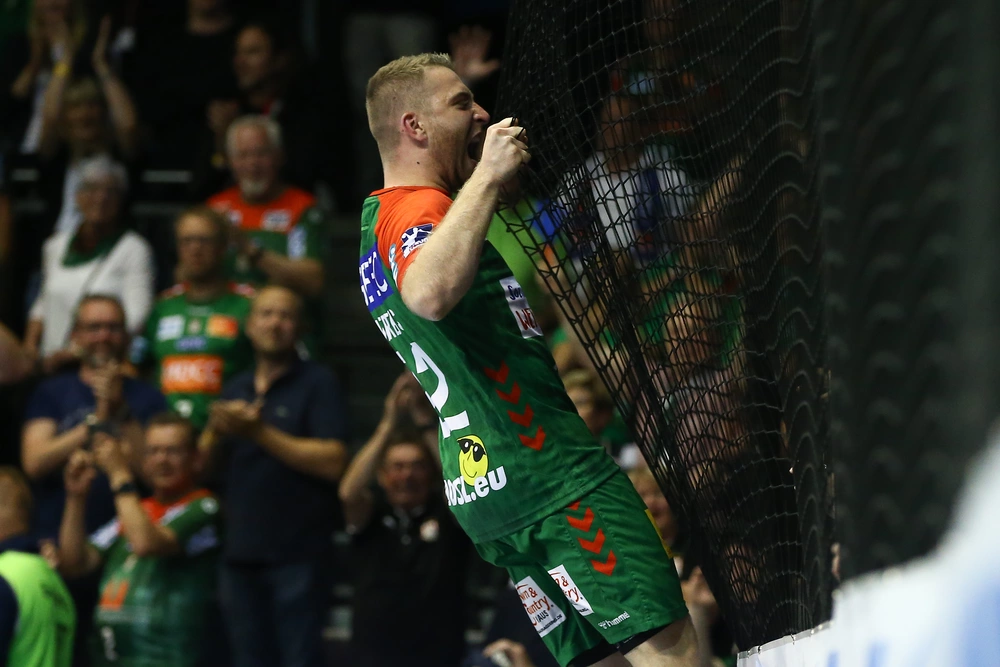
Lukas Mertens Jubel zur deutschen Meisterschaft
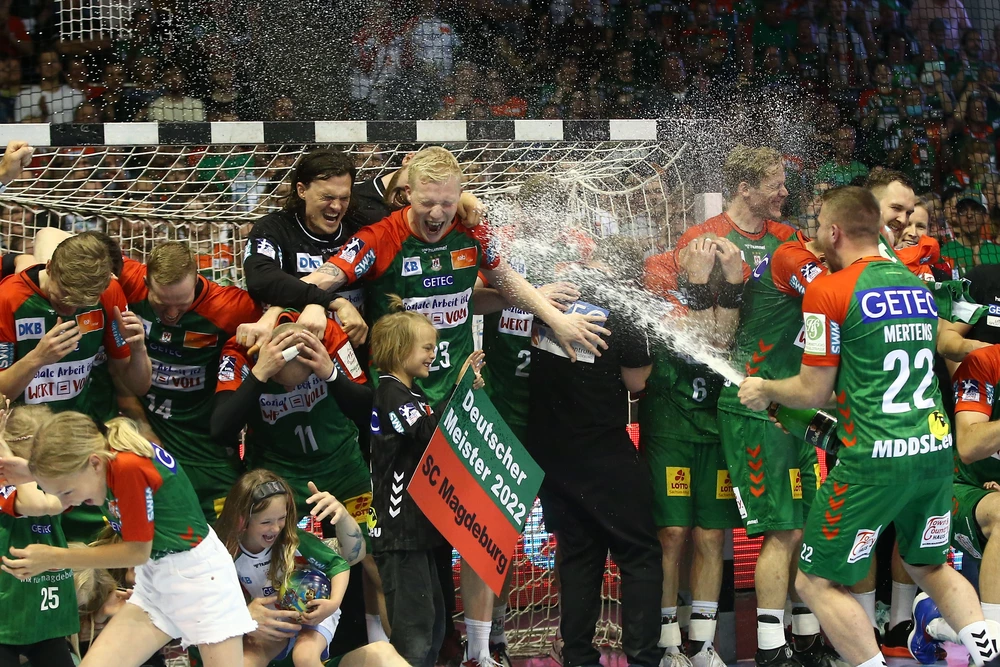
02.06.2022, SC Magdeburg feiert Meisterschaft in der GETEC-Arena
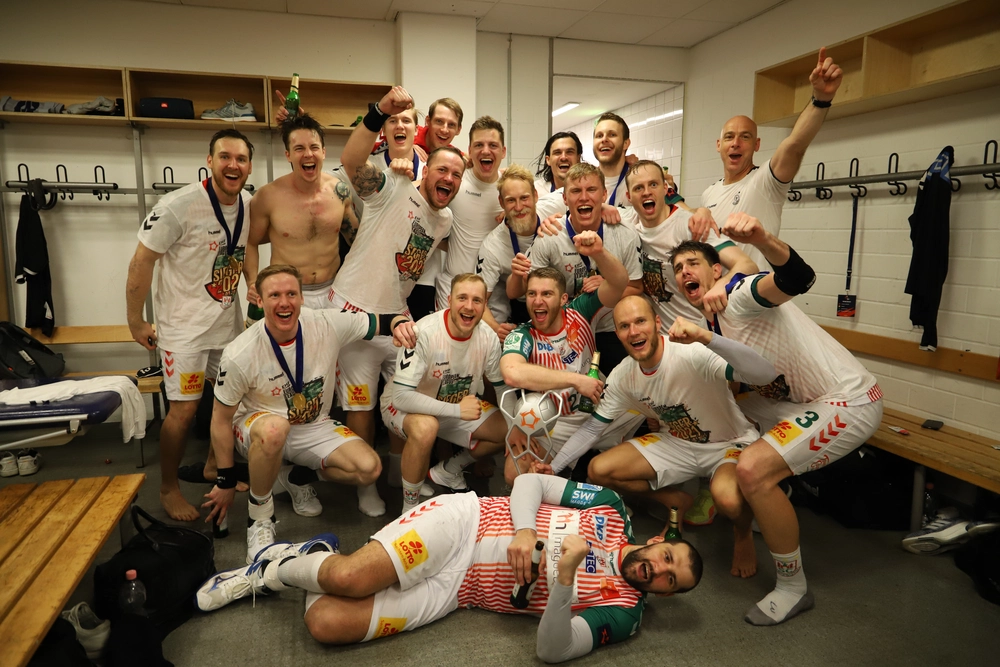
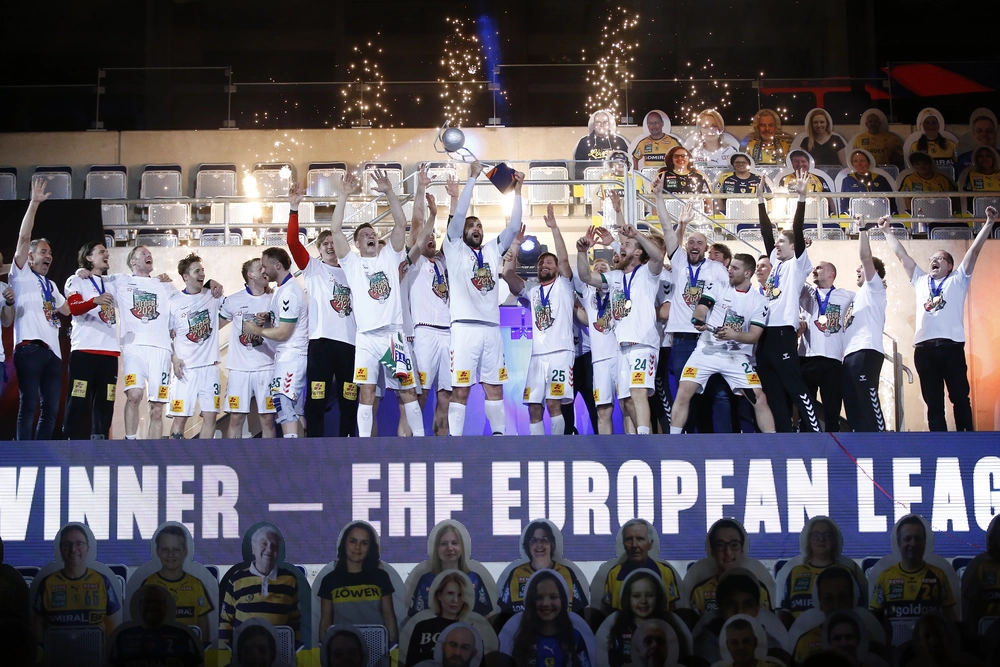
… and there is still no end in sight. The simple Wiegert saying “We’re not done yet!” inspired fans and players at the cup celebration in April 2024. The 2023/24 season was to be SC Magdeburg’s most successful season to date. In the end, SCM once again achieved something historic and presented its green-red supporters with the triple of World Cup, DHB Cup and German Championship.
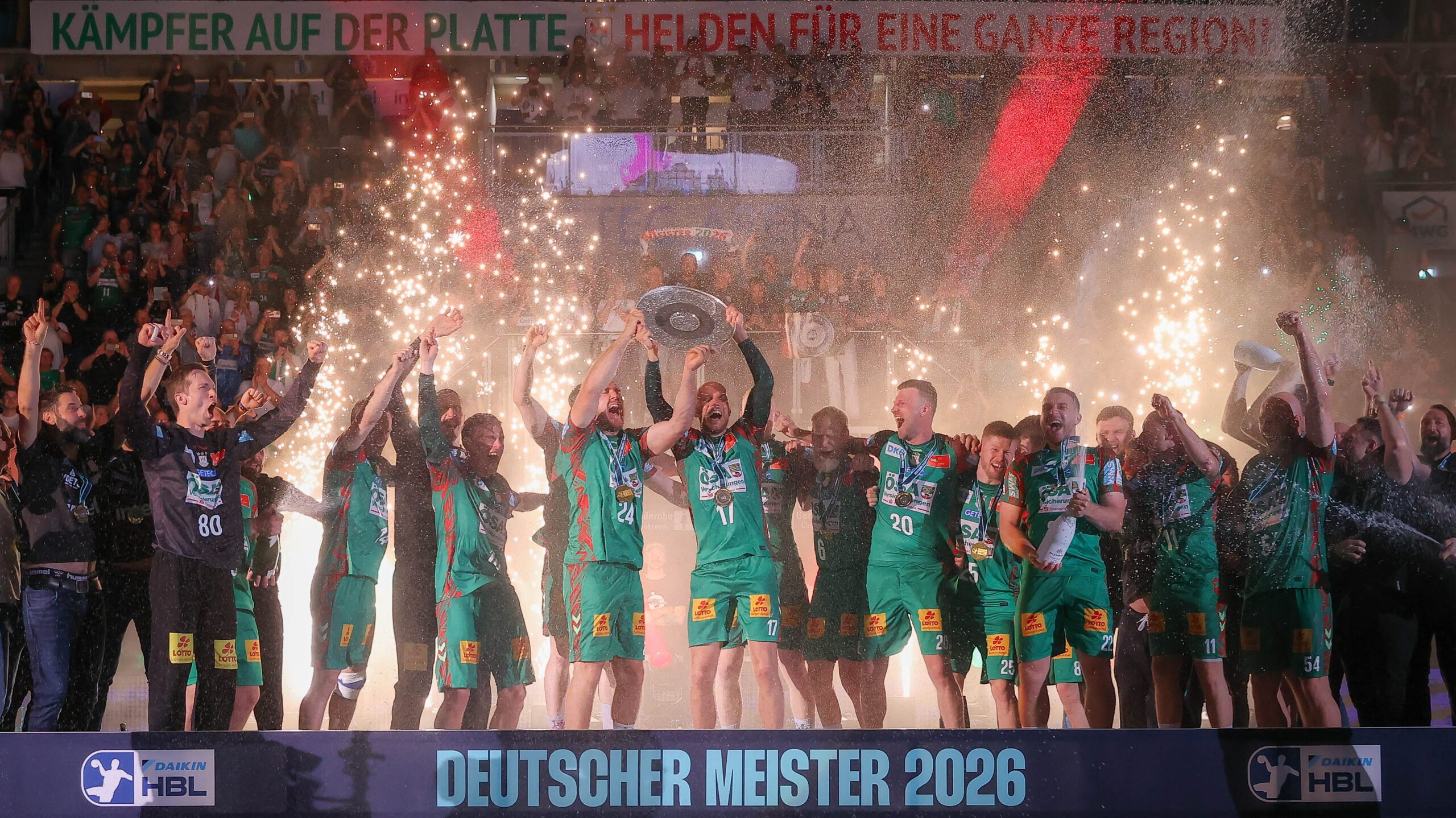
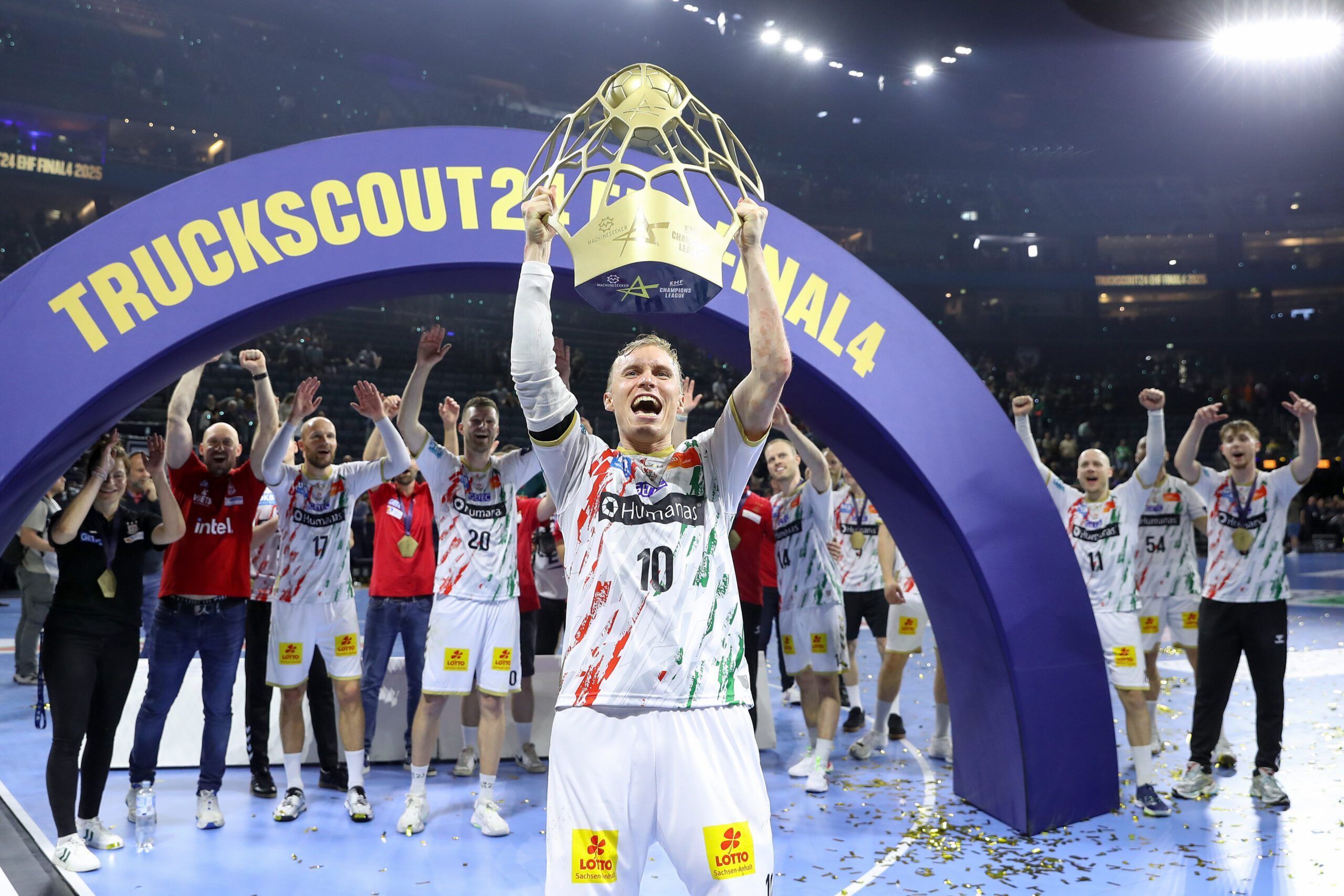
In June 2025, SC Magdeburg won the EHF Champions League for the third time in the club’s history. The following year was no less successful. With only four minus points, the club secured the German championship in a remarkably consistent season.
Bennet Wiegert, Yves Grafenhorst, Marc-Henrik Schmedt and a long list of parts of the SCM family not mentioned here have created something big – but there is no end in sight. The Wiegert era, it continues…
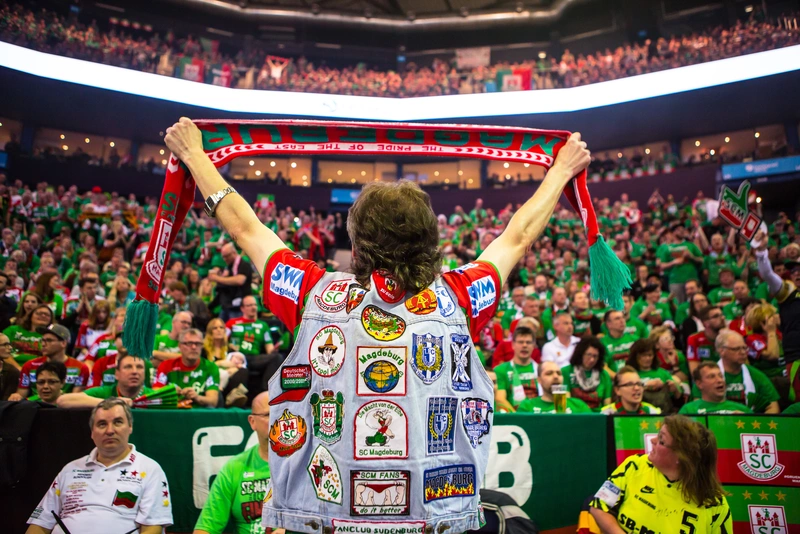
SC Magdeburg not only has an impressive history on the pitch, but also a passionate fan base that supports the team with dedication. The fan culture of the SCM is an integral part of the club and also an essential part of the identity of the city of Magdeburg.
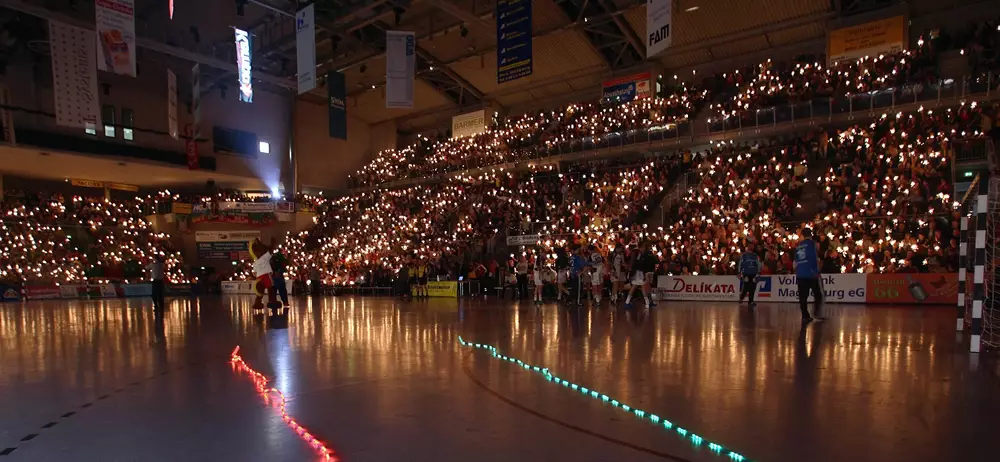
The fans of SCM are characterized by their dedication and vocal support. Whether in the home GETEC Arena or at away games, the “Green-Red Wall” is always present to cheer on their team. The atmosphere in the arena is breathtaking when the drums sound and the fans make the entire hall shake with their chants.
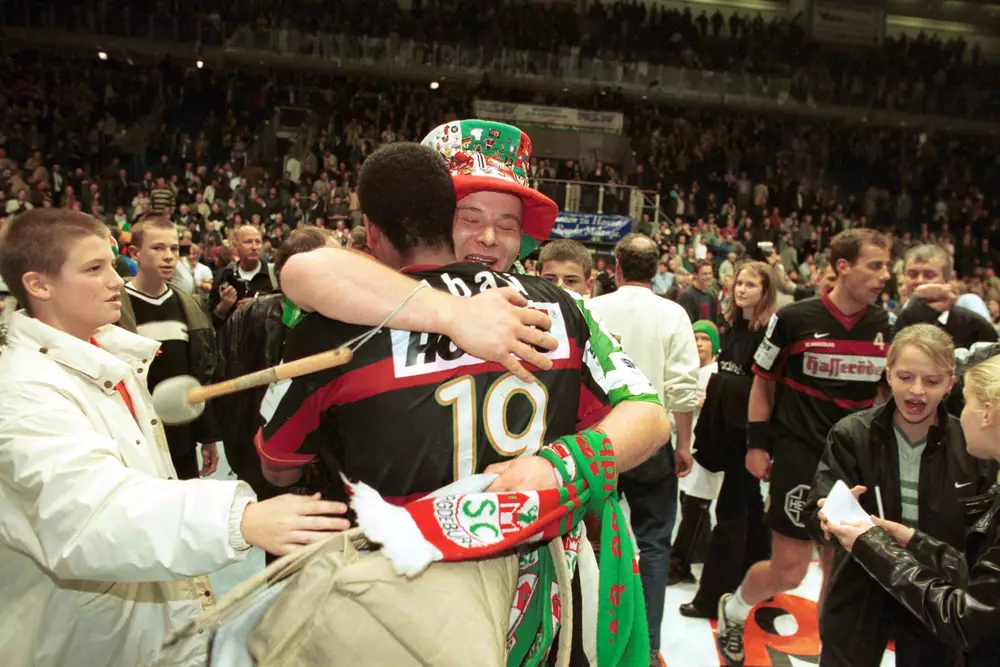
Joel Abati (SCM) jubelt mit einem Fan Saison 2000
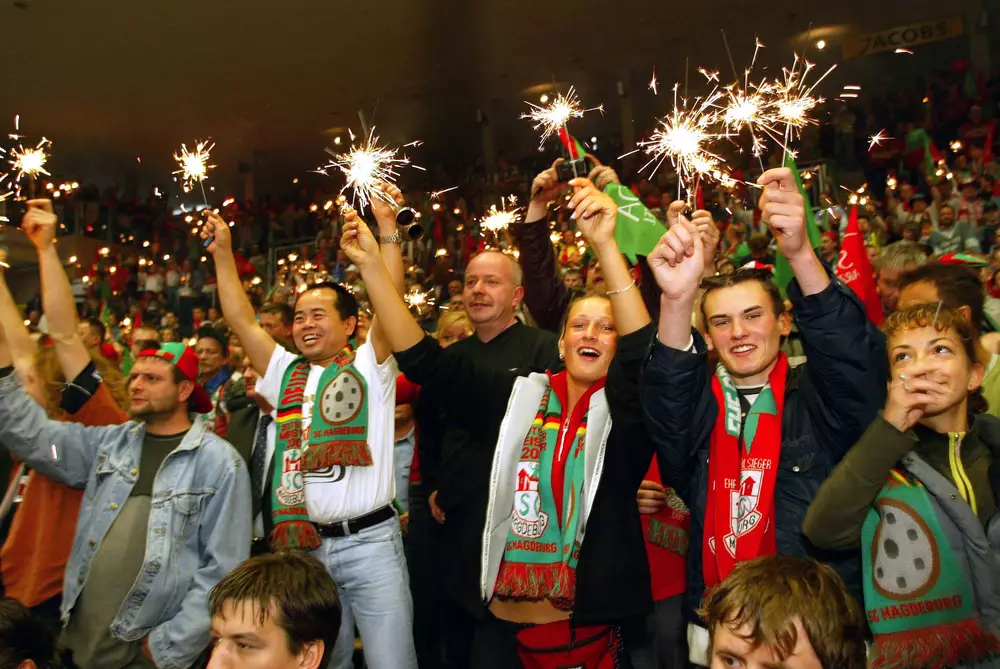
Fans sorgen mit Wunderkerzen für Stimmung Champions League 2001/2002
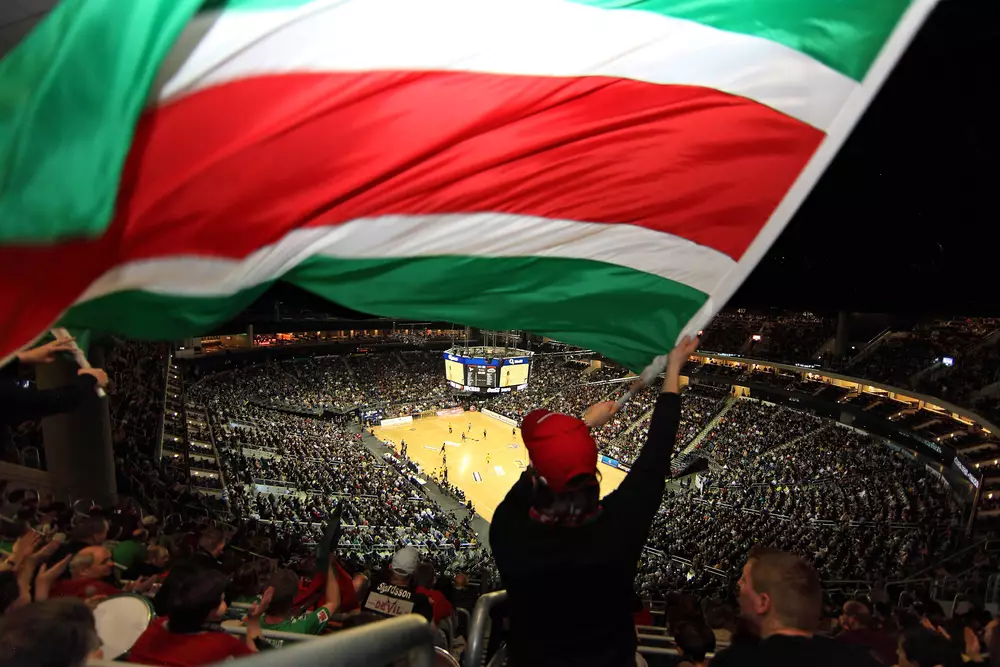
Fan schwenkt eine riesige Fahne in der Berliner O2 World Arena
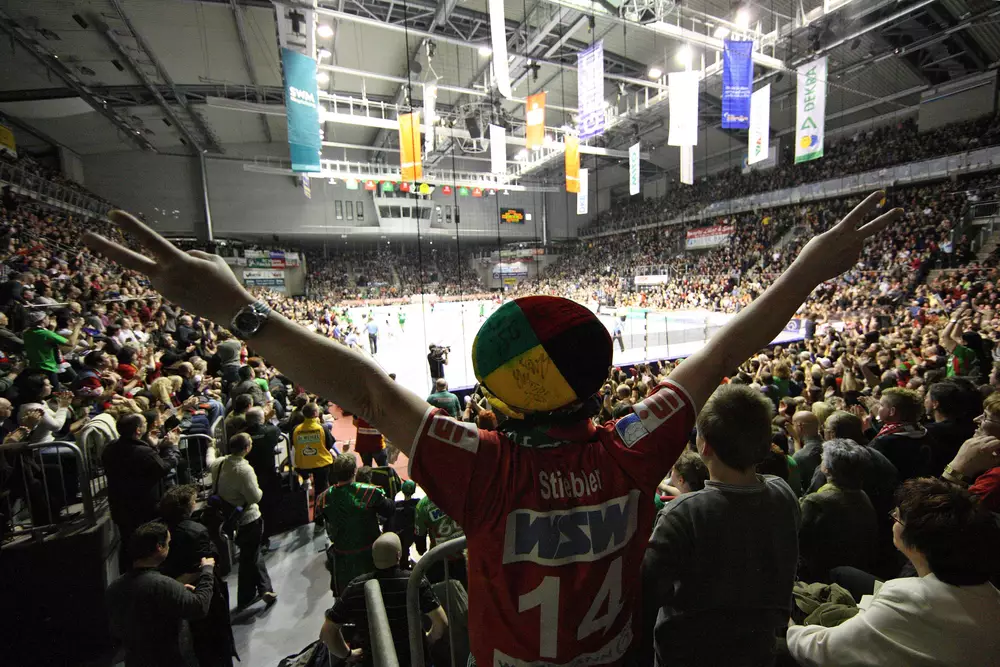
Handballfans in der Bördelandhalle – Heimspielstätte der Gladiators aus Magdeburg
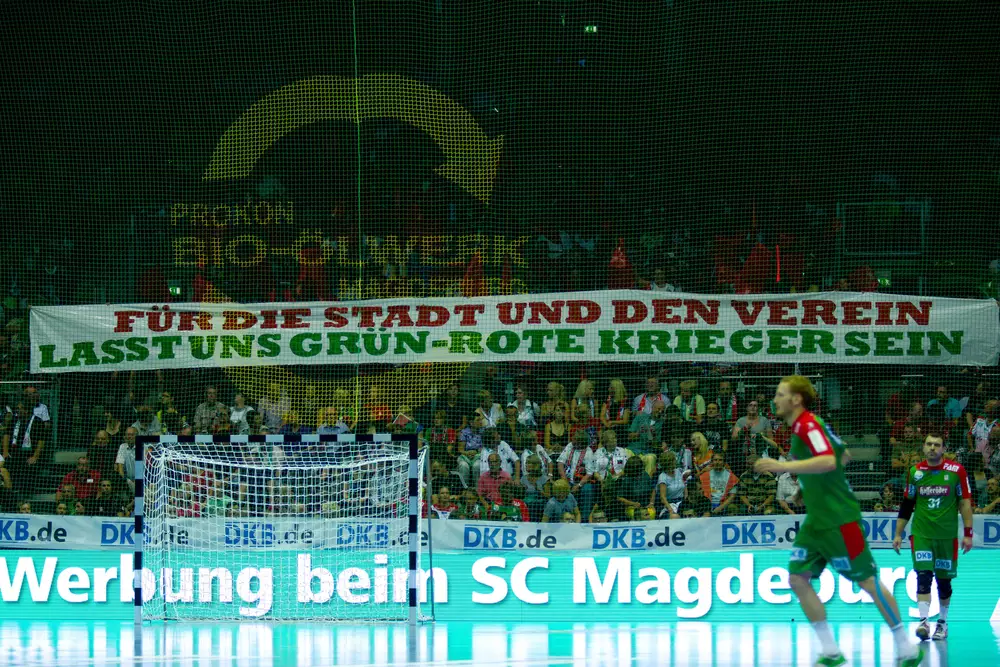
Spruchband SC Gladiators Magdeburg – 1. Handball Bundesliga Punktspiel Saison 2012-13 SC Gladiators Magdeburg
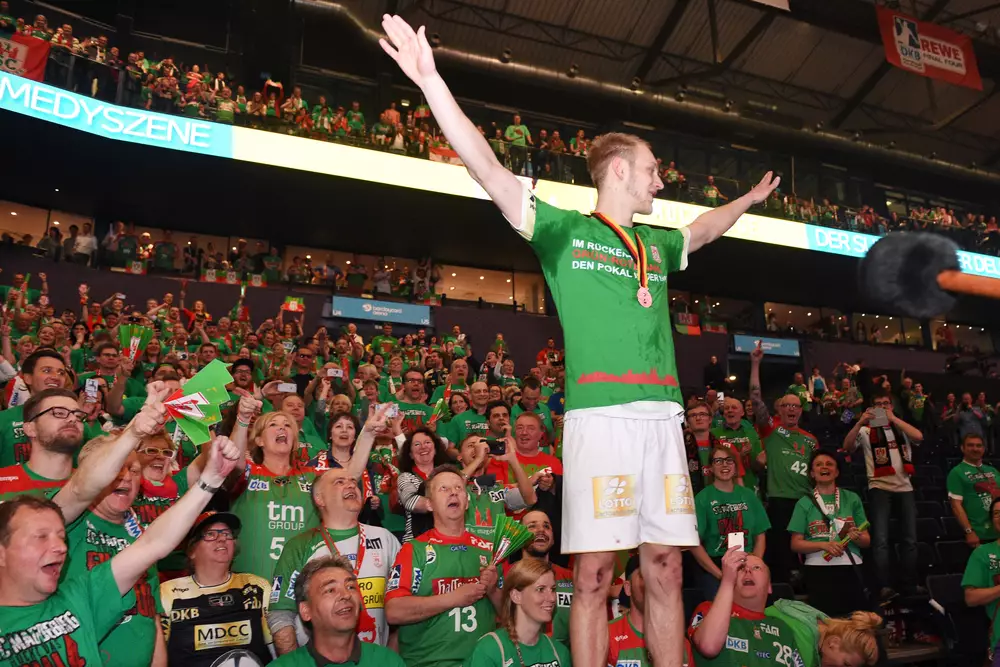
Final4 – 15/16 – SC Magdeburg vs. SG Flensburg Fankurve und Matthias Musche
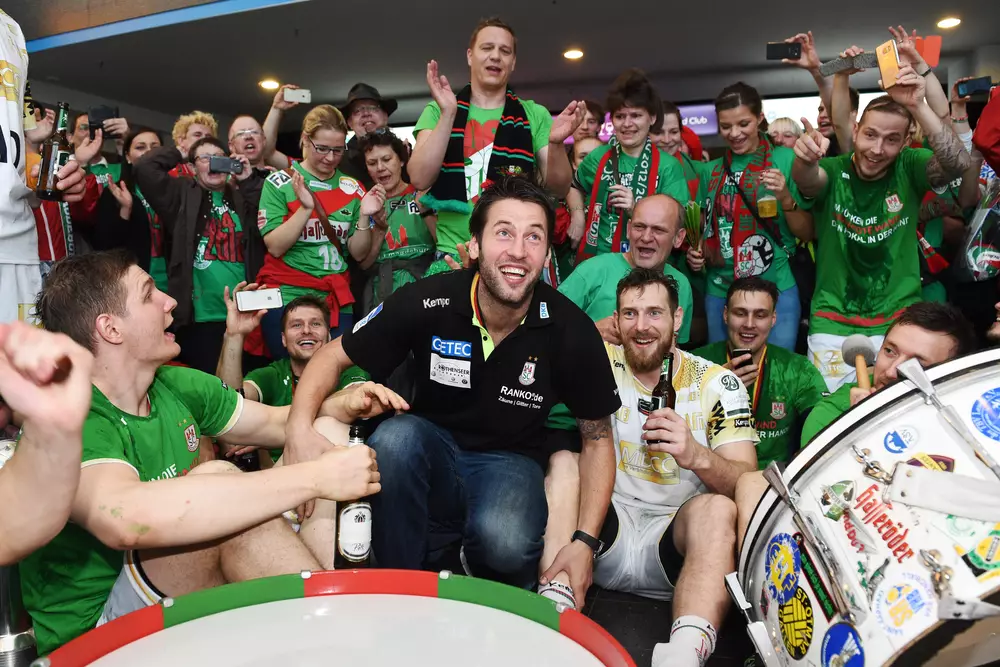
Final4 – 15/16 Bennet Wiegert feiert mit den Fans im Foyer der Arena
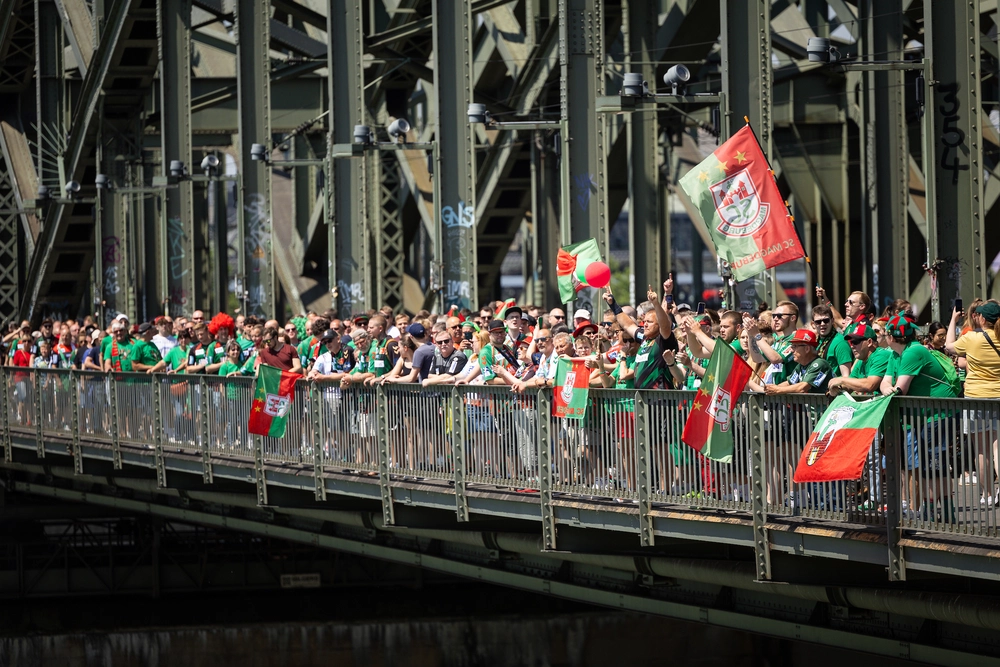
TruckScout24 EHF FINAL4 2023
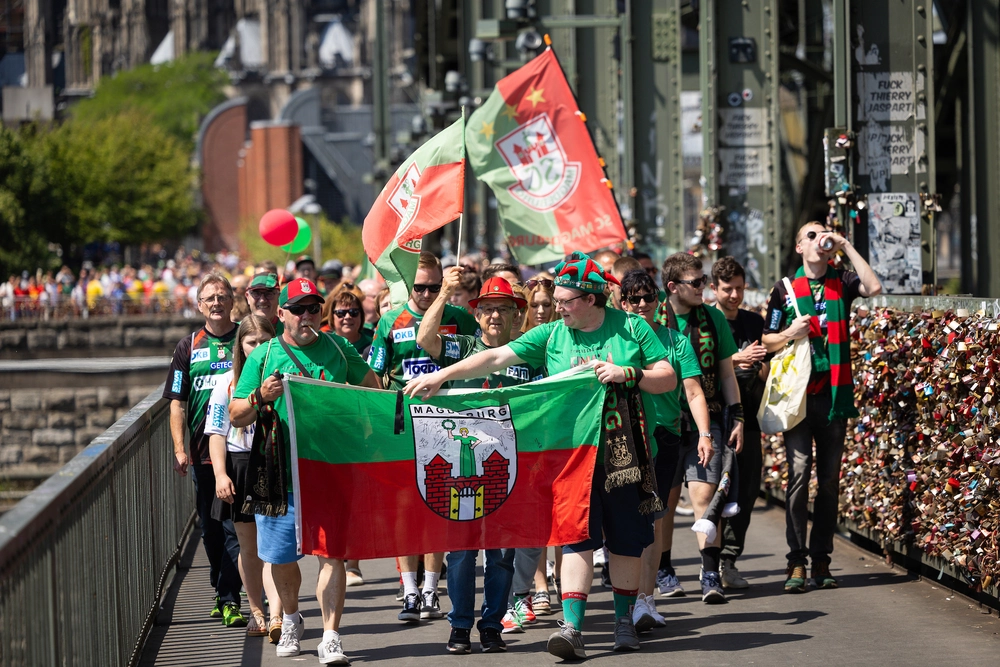
TruckScout24 EHF FINAL4 2023
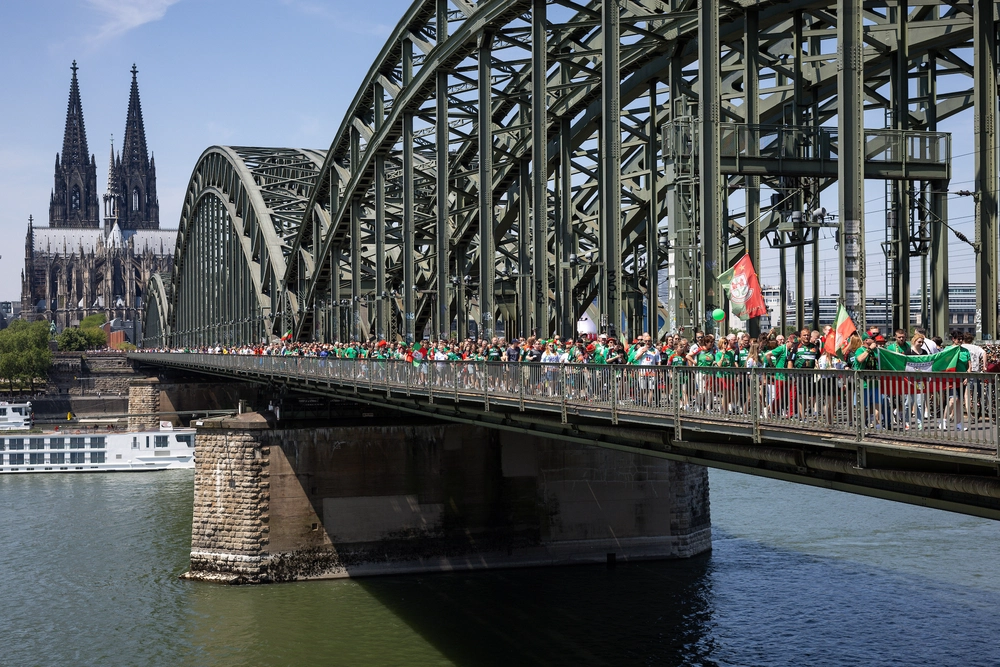
Fanmarsch Köln 2023
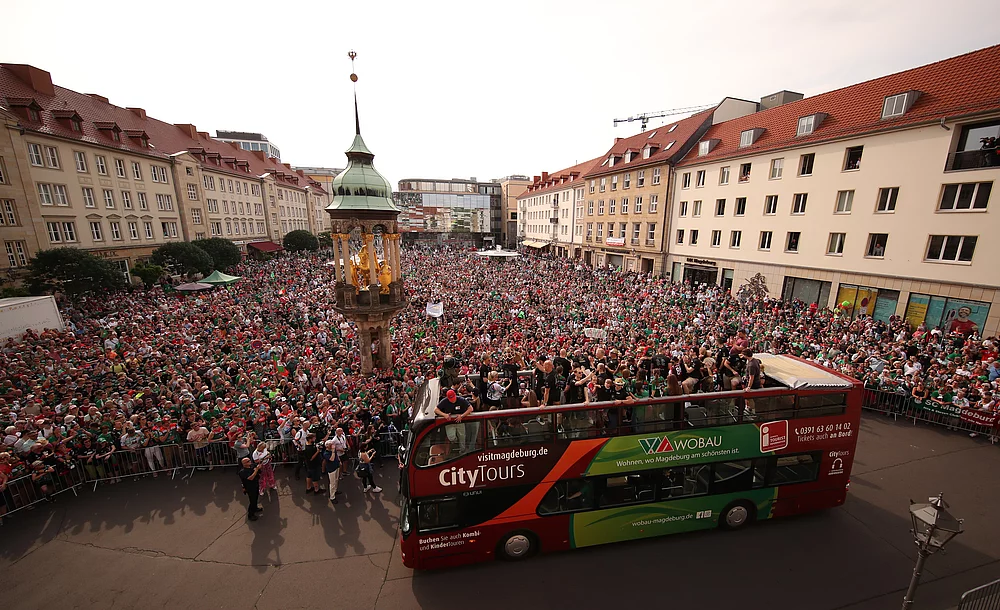
EHF Champions League Empfang und Feier auf dem Rathaus-Balkon 2023
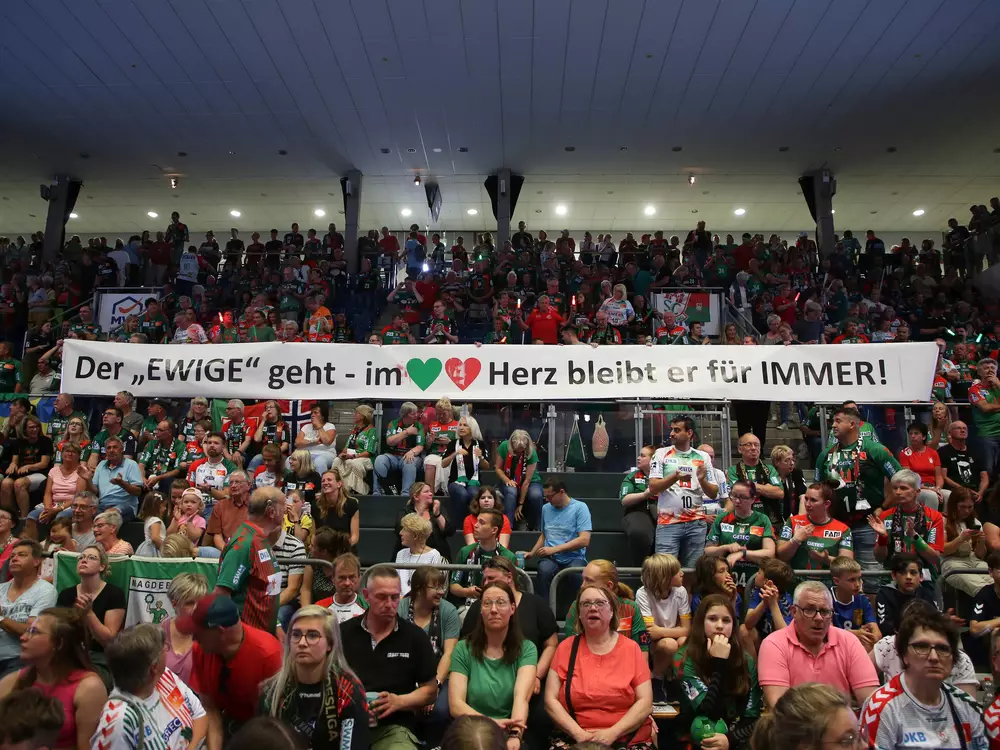
Fans verabschieden Marko Bezjak
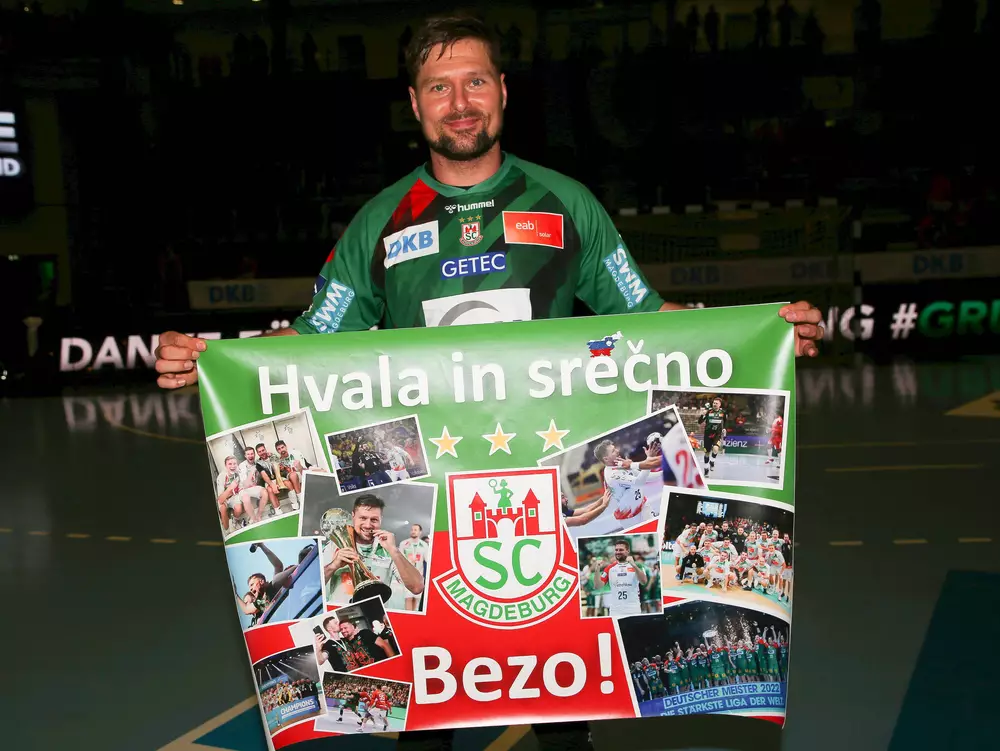
Marko Bezjak mit Fanplakat bei Verabschiedung am 08.06.2023
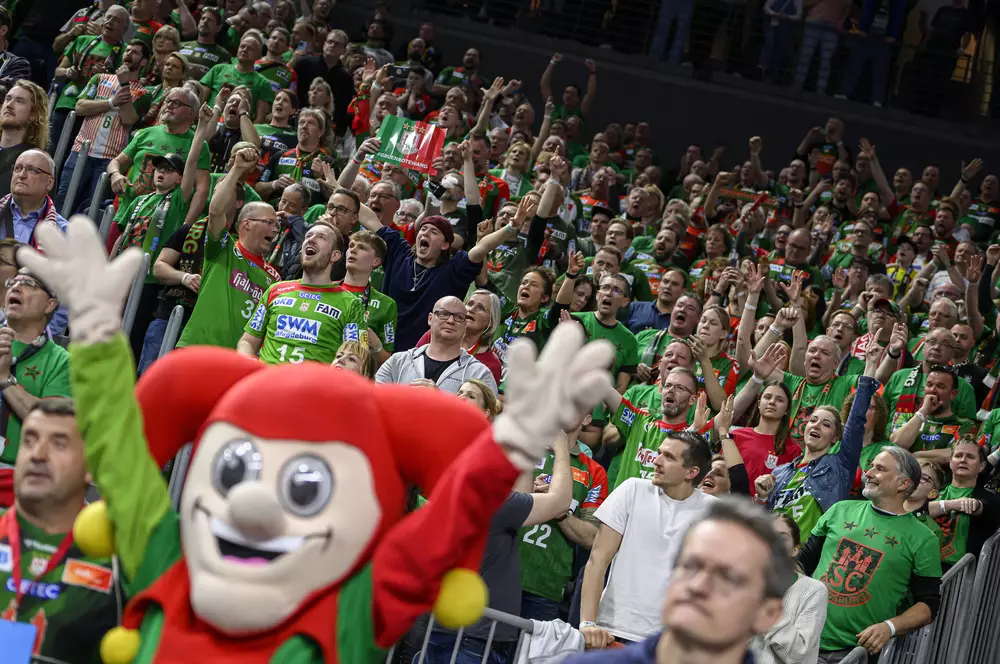
Jubel Till Eulenspiegel und Fans DHB Pokal Final Four 2023
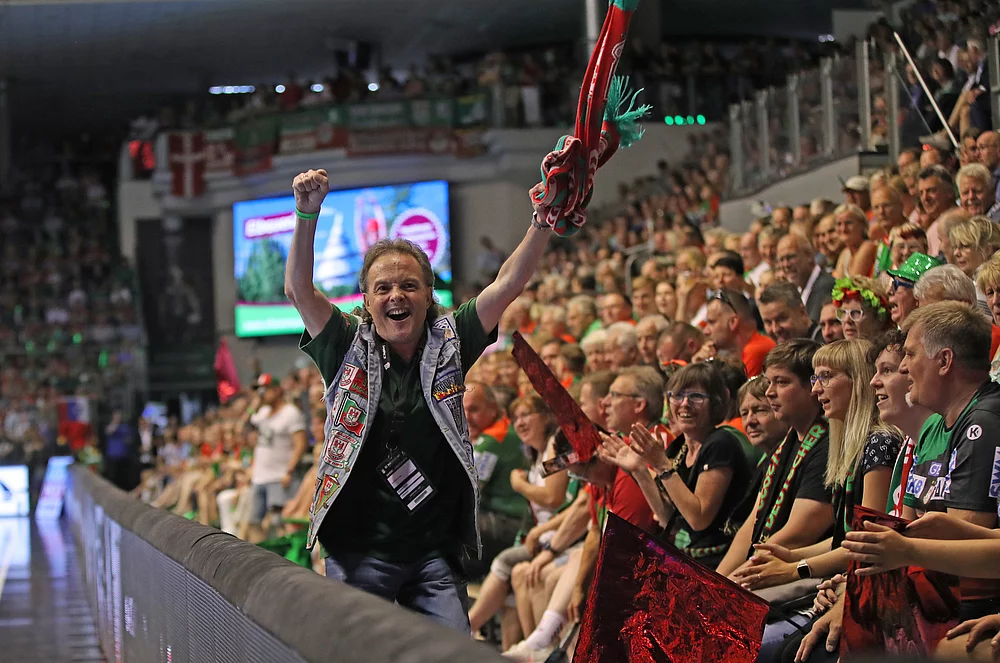
Getec Arena Handball Bundesliga Saison 2021/22
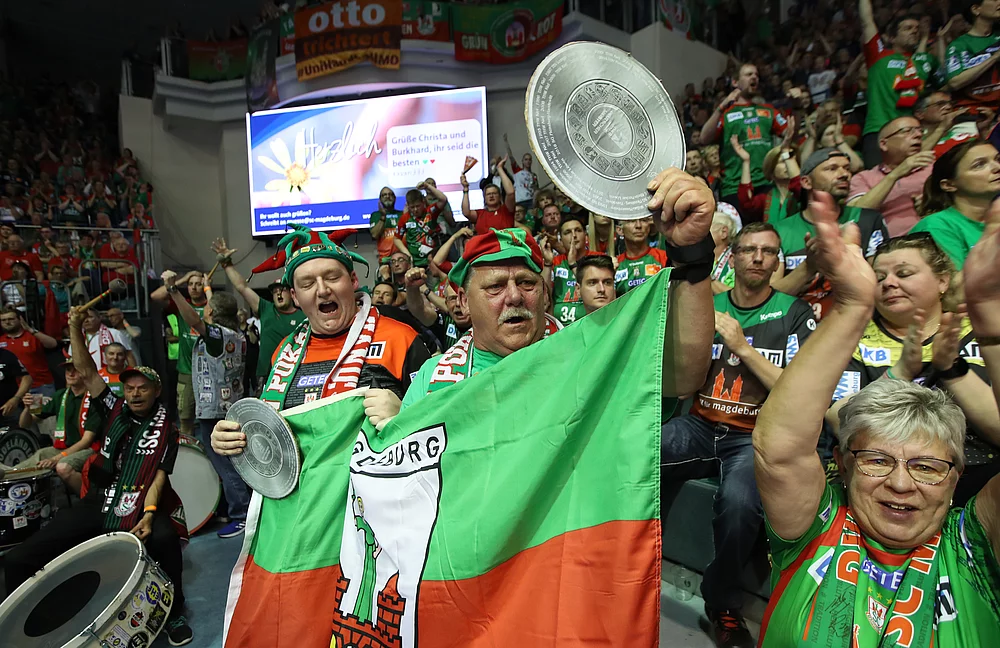
Getec Arena Handball Bundesliga Saison 2021/22
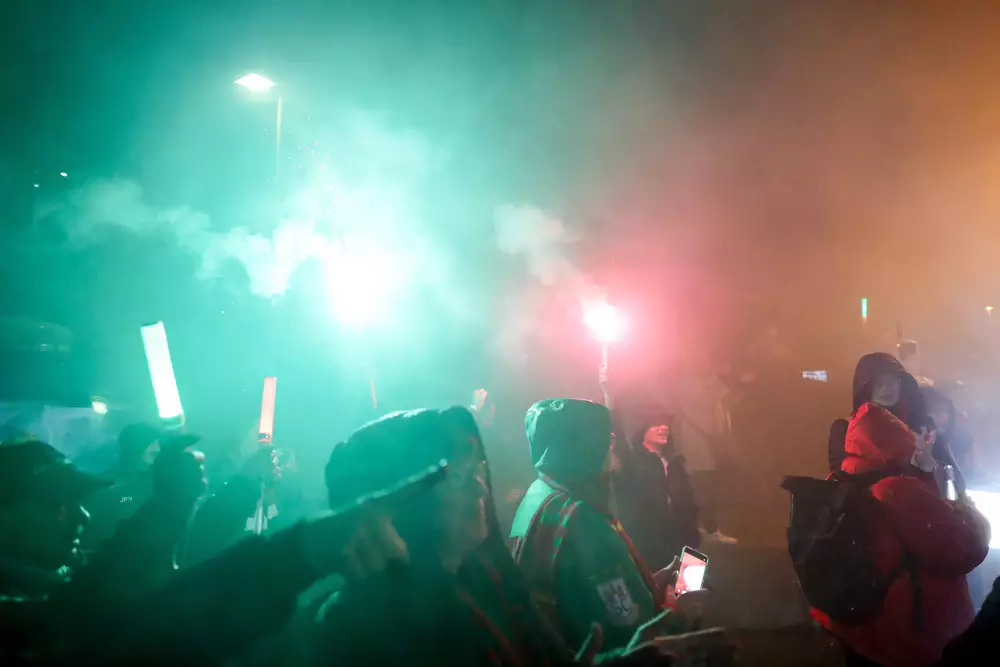
IHF Super Globe 2023, Empfang Club-Weltmeister SC Magdeburg Fans mit grün-roten Lichtern
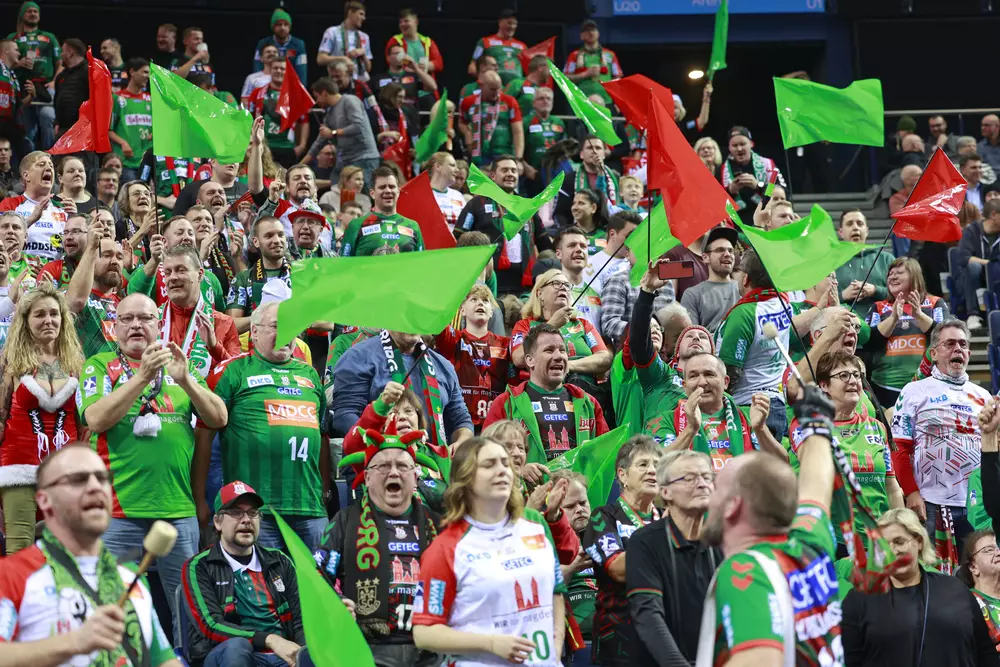
Handball Liqui Moly HBL 2023/2024 Fans vom SC Magdeburg machen das Spiel in Hamburg zum Heimspiel
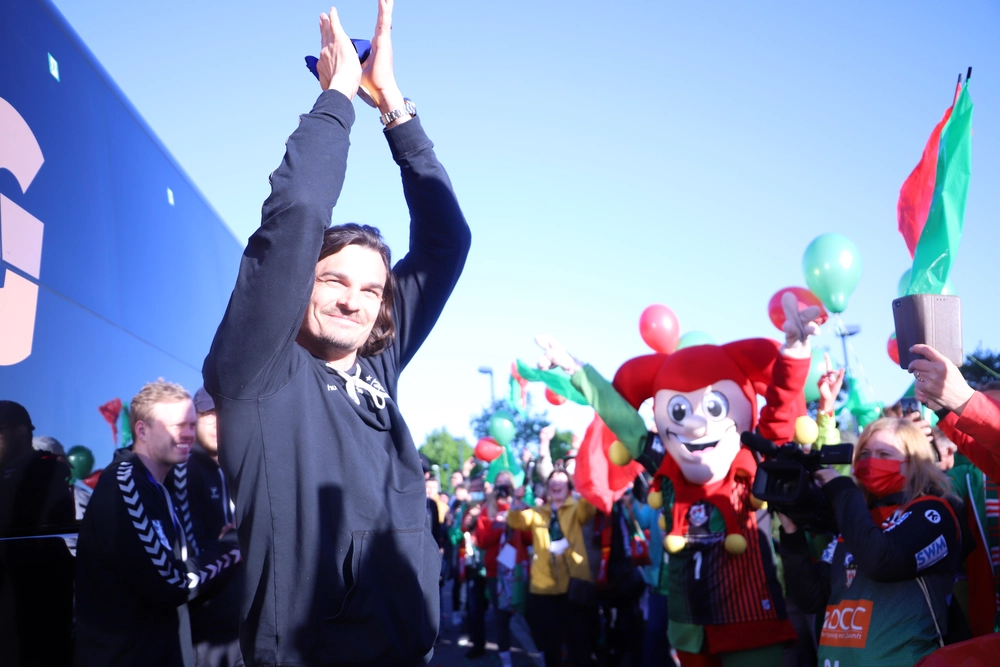
Jannick Green feiert mit den Fans und Till Eulenspiegel

Empfang der Mannschaft durch die Fans
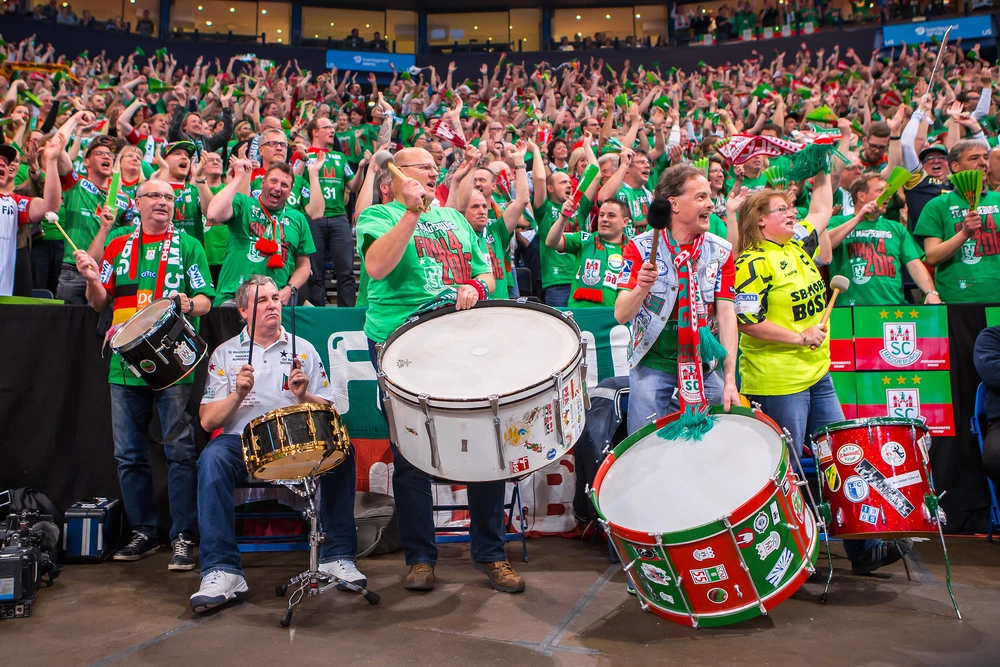
Fanblock Hamburg 2016
Another feature of SCM’s fan culture is the close relationship between players and supporters. The players appreciate the support of the fans and always take time for autographs and photos, both before and after the games. This closeness between team and fans creates an atmosphere of community and cohesion that extends far beyond the pitch.